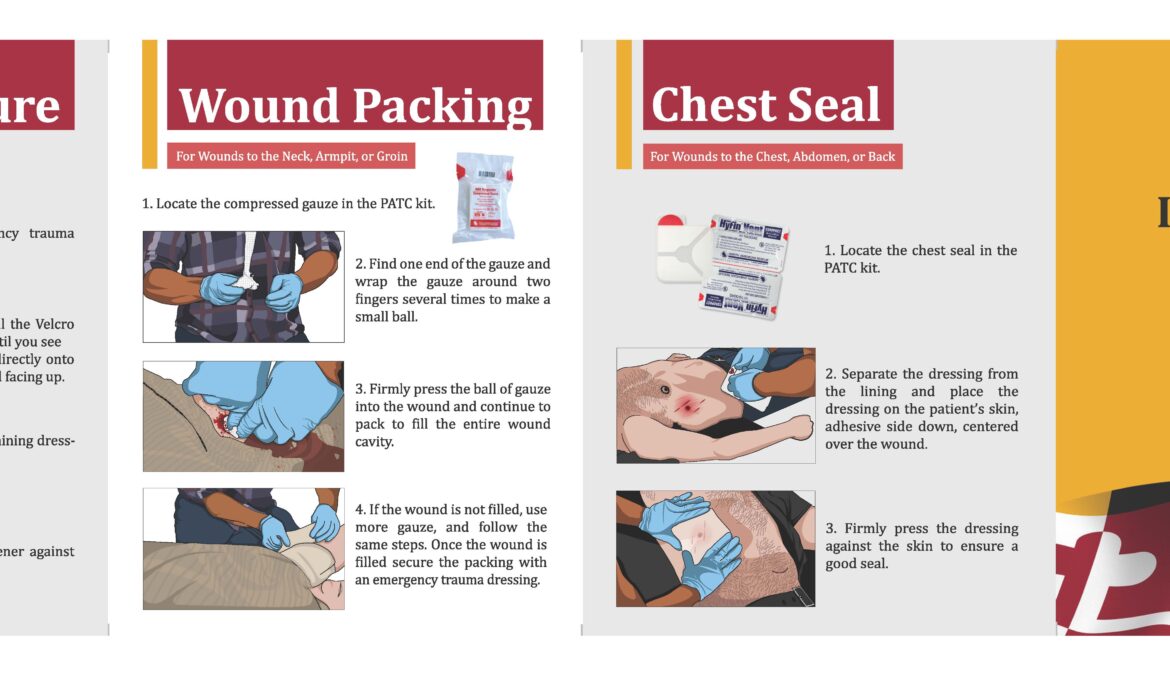

The Maryland-National Capital Region Emergency Response System (MDERS) has taken a proactive approach to enhancing public safety through the development of informative instruction cards and posters under the Public Access Trauma Care (PATC) program. With a commitment to equipping the community, MDERS has successfully distributed 10,000 instruction cards and 1,000 posters to dedicated partners across Montgomery and Prince George’s Counties. These invaluable resources deliver clear, step-by-step guidance on fundamental life-saving medical techniques, empowering individuals to administer crucial aid to victims grappling with life-threatening bleeding, penetrating trauma, hypothermia, and other severe injuries. By bridging the gap between emergencies and professional medical assistance, creating and disseminating these instructional materials significantly amplify individual preparedness to offer timely, life-saving medical interventions.
As part of the PATC program, medical supplies have been strategically placed in public schools and government buildings throughout the Maryland-National Capital Region (MD-NCR). For those supplies to be effectively utilized, individuals must be able to identify injury patterns and render appropriate aid. MDERS has developed training videos a mobile application and worked closely with regional partners to expand training opportunities related to PATC. However, MDERS staff identified a need for accessible materials that individuals can easily reference.
MDERS determined that instruction cards and posters will allow individuals to review PATC skills in a quick and efficient manner. Working closely with an outside vendor, the MDERS team developed and finalized these materials to distill the needed information into simple instructions supported with detailed illustrations. The foldable instruction cards contain instructions and illustrations on how to apply a chest seal, apply direct pressure, apply a tourniquet, pack a wound, and prevent shock. The posters provide the same information but also include a section on what individuals should do in an emergency situation. Introducing these materials to the public will add an outlet for individuals to learn about and practice PATC skills.
Within the last month, the following entities have received instruction cards and posters:
- Montgomery College (200 instruction cards and 20 posters)
- Montgomery County Office of Emergency Management and Homeland Security (500 instruction cards and 50 posters)
- Montgomery County Public Schools (4,000 instruction cards and 400 posters)
- Prince George’s County Office of Homeland Security and Emergency Management (500 instruction cards and 50 posters)
- Prince George’s County Public Schools (4,000 instruction cards and 400 posters)
- The Universities at Shady Grove (100 instruction cards and 10 posters)
- The University of Maryland Global Campus (50 instruction cards and 10 posters)
***MDERS has the remaining materials for training and potential delivery to other stakeholders.
Distribution and placement of these educational materials will increase awareness of the PATC program and provide readers with invaluable information to review and implement during an emergency. For more information about the PATC program, please visit publicaccesstraumacare.org or email mders.training@maryland.gov.





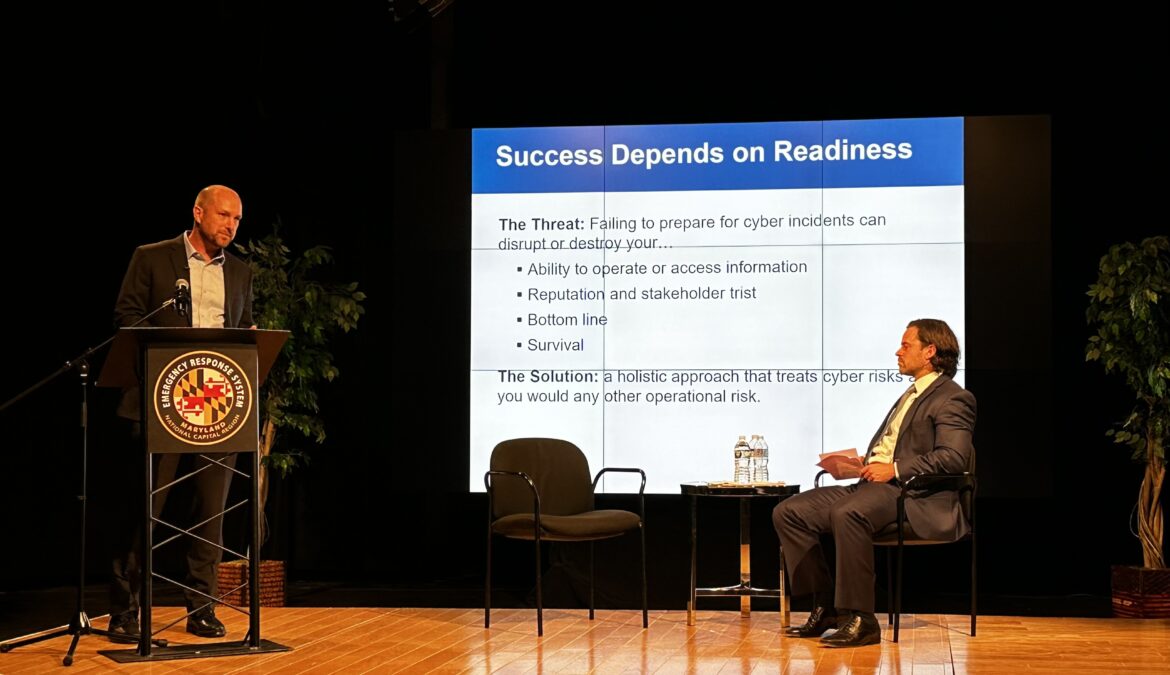
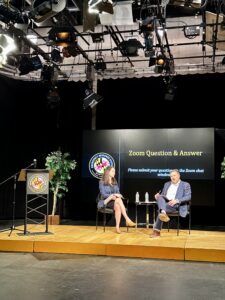
 The program started off with a panel discussion on public order and crowd control. Darrell Darnell moderated the conversation and was joined by Glendale Fire Chief Ryan Freeburg, Philadelphia Office of Emergency Management Homeland Security Program Manager Gary Spector, Yale University’s Associate Vice President for Public Safety and Community Engagement Ronnell Higgins, and Emergency Department Physician and the Institute of Emergency Management Director for the MedStar Washington Hospital Center Craig DeAtley. The panelists explored discipline-specific and multiagency coordination in planning for and responding to large-scale public order events. Symposium attendees posed various questions to the panelists to facilitate discourse about various public order topics. The breadth of this discussion supplied participants with lessons learned and best practices for response to large-scale planned and unplanned public order events.
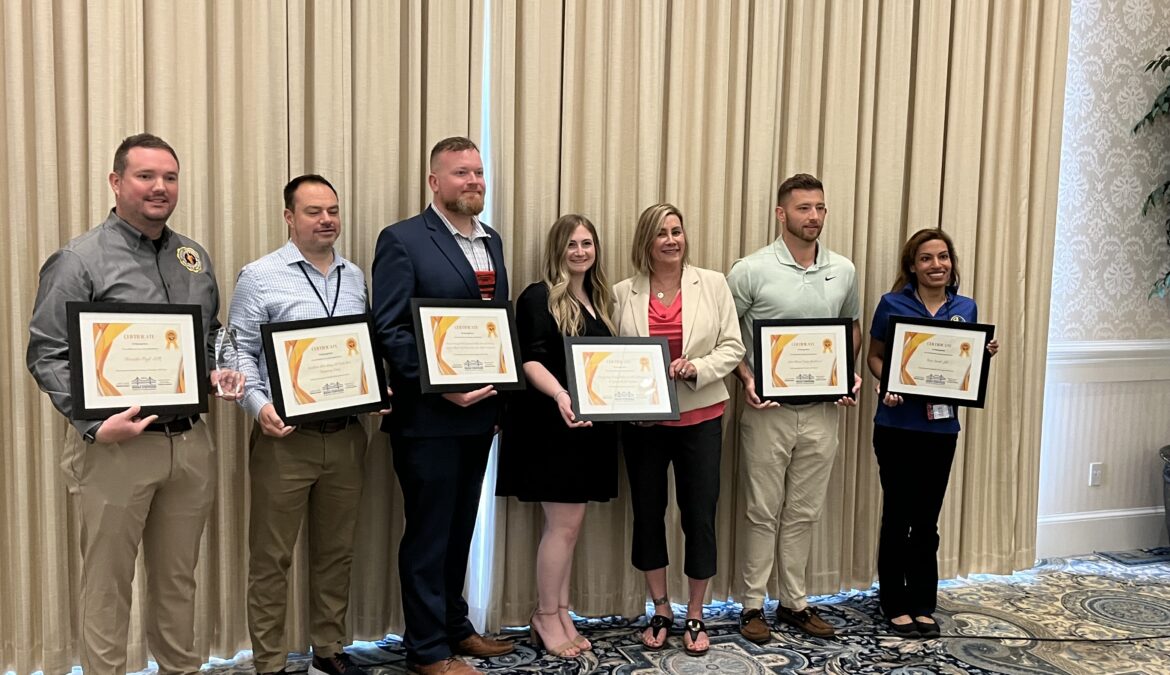
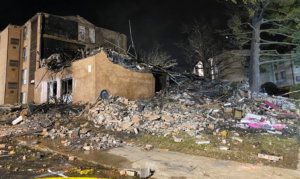 Over the past four years, MCPD, MCFRS, and OEMHS have partnered with MDERS to develop, utilize, and expand their sUAS capabilities. By focusing on improving information gathering and situational awareness, MDERS and Montgomery County public safety agencies collaborated to establish a systematic framework that provided the planning, training, and equipment imperative to bolstering emergency response procedures. The capabilities of sUAS aid in capturing essential information and maintaining shared situational awareness among public safety agencies to formulate appropriate response measures in evolving environments.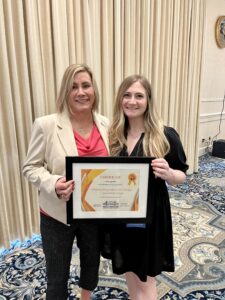

 Melinda joins MDERS from Prince George’s County Government, Department of Homeland Security in their Public Safety Communications Center as a Police Dispatcher. There she managed several high-priority tasks in emergency response as well as managing between 15-50 Police Officers with a variety of active emergency 911 calls for service in real-time. In this role, Melinda also held the responsibility of being the lead point of contact between First Responders on the scene of emergency incidents and surrounding agencies, ensuring all information was accurately relayed. While actively processing emergency responses, she simultaneously helped to determine the appropriate course of action including gathering specialty units such as K9 Officers, aviation units, and detectives ranging from station-level to major crimes. Melinda possesses knowledge from the first responder level point of view and how emergency incidents are coordinated. Melinda also has a background in Business Administration, holding a Bachelor of Science in Business Management from Penn Foster in Scottsdale, Arizona.