Interdisciplinary coordination is paramount to position a jurisdiction to effectively mitigate, plan, respond, and recover from various emergencies. As a pivotal cog in this process, the Montgomery County Office of Emergency Management and Homeland Security (OEMHS) has organized a series of exercises to evaluate Montgomery County agencies and departments’ ability to cohesively fulfill their responsibilities during disasters. To support this initiative, the Maryland-National Capital Region Emergency Response System (MDERS) has assisted OEMHS in the creation and implementation of this exercise series. The proactive steps from Montgomery County leadership and OEMHS, with the support from MDERS, will enhance the jurisdiction’s ability to collectively manage emergencies.
To prepare for emergencies, it is critical for localities to continuously evaluate their ability to effectuate the identified requirements in their plans, policies, and procedures. As the complexity of a disaster expands, it requires more departments to assume an active role in response efforts. The convergence of these distinct departments demands a high-level of coordination to identify individual and shared responsibilities in disaster situations. OEMHS convened Montgomery County’s Emergency Management Group (EMG) to examine their plans, identify corrective actions, and clearly delineate responsibilities during emergencies.
To begin the exercise series, representatives from OEMHS hosted a summit in August that provided general information about emergency management to department representatives. The summit transitioned into a workshop setting with departments outlining their expected actions during different emergency scenarios. This discussion provided a foundation for departments to understand the unique roles their peers have within the County.
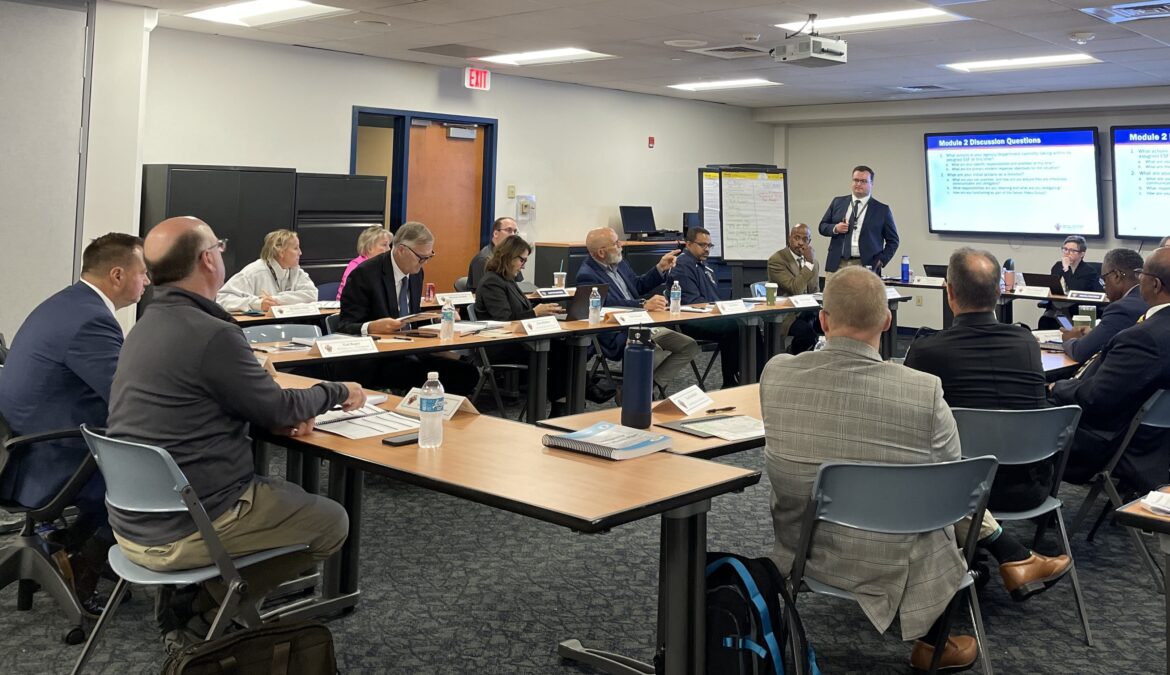
The next phase of the exercise series was a Senior Policy Group (SPG) workshop. The SPG is responsible for macrolevel decisions that deal with life safety, government operations, funding, and legal issues. This group is comprised of agency leadership from the following departments:
- Office of the County Executive
- Office of the County Attorney
- Office of Emergency Management and Homeland Security
- Department of Environmental Protection
- Fire and Rescue Service
- Department of General Services
- Department of Health and Human Services
- Department of Permitting Services
- Department of Police
- Office of Public Information
- Department of Technology and Enterprise Business Solutions
- Department of Transportation
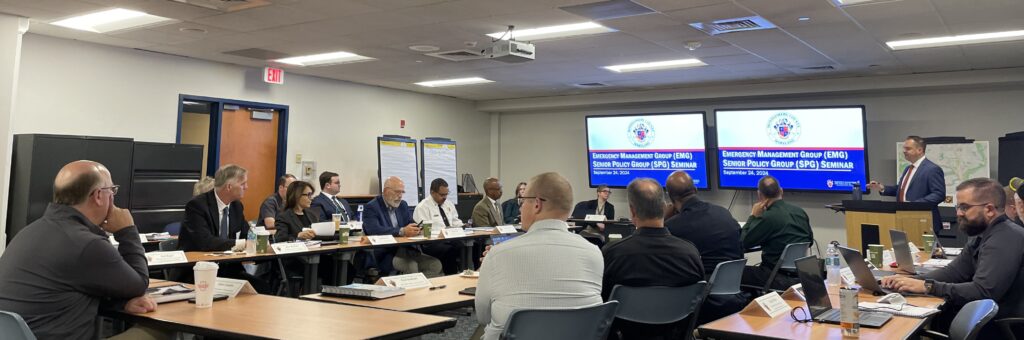 The workshop engaged representatives to progressively navigate the County’s response effort to a tornado that caused tremendous devastation. The scenario necessitated a large-scale response with the SPG collectively discussing logistics and supply chain management, operational communications, operational coordination, and public information and warning. The workshop was well received by all participants as the SPG continues to evolve and adapt to the threats Montgomery County may encounter.
MDERS staff were vital in the creation and execution of the SPG workshop. Deputy Director Hannah Thomas and Emergency Response Specialist Katie Weber jointly created the scenario with OEMHS Emergency Management Specialist Zachary Estess. Additionally, Deputy Director Thomas served as a co-facilitator during the workshop, Specialist Weber served as the logistics lead for the workshop, and Senior Emergency Response Specialist Peter McCullough served as the evaluation lead.
The exercise series will continue to test the response efforts of the Montgomery County EMG through additional discussion and operations-based exercises. MDERS will continue to collaborate with OEMHS throughout this process to enhance the cohesive emergency preparedness of Montgomery County.

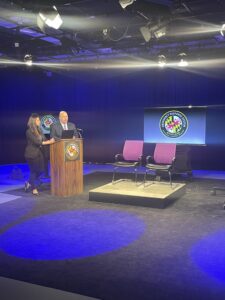 child and sex trafficking crimes. The presenters, Sergeant Greg Flores and Detective Julia Tafesh of the Las Vegas Metropolitan Police Department (LVMPD), discussed proactive investigation strategies implemented to arrest offenders and innovative approaches to reduce violent crimes associated with human trafficking. During the 2023 Formula 1 and Super Bowl, the pair analyzed how LVMPD’s tactical investigation methods have contributed to a significant number of arrests and recovery of victims.
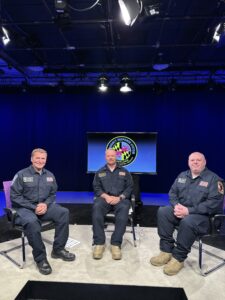 devastating impact of the wildfires. The panelists explored how MD-TF1 performed large-scale searches of collapsed structures and vehicles to identify missing persons, recover valuables, and investigate loss of life. The MD-FT1 was equipped with an experienced medical team consisting of physicians and paramedics who treated life-threatening injuries and illnesses caused by the wildfires. While operating for seven days to mitigate the impact of the wildfires, the panelist emphasized the importance of mental health treatment and peer support to help incident personnel transition back into their daily roles.
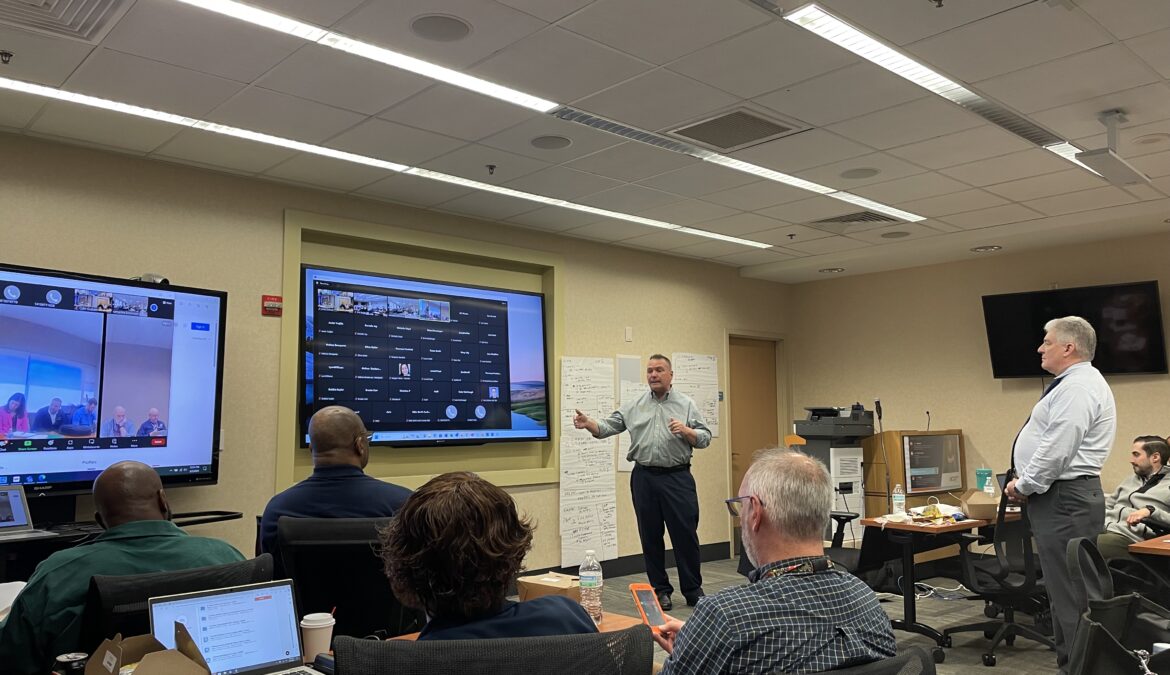
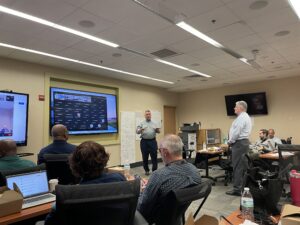 During the response phase, participants discussed a variety of initial actions that involved the activation of the Emergency Operations Center (EOC), preparing Hazardous Materials (HAZMAT) operations, contacting poison control personnel, and deploying decontamination equipment to establish the immediate removal of contaminants. Considering the large acute exposure, participants reviewed real-time information sharing capabilities between hospitals and response partners particularly due to requesting specialized EMS transportation resources and disseminating critical incident information. In preparation for treating an influx of patients, these response activities set the foundation for ongoing healthcare coordination.


 during an active assailant incident. This exercise will help bolster the response capabilities for each discipline to respond to an active assailant incident in a medical setting.

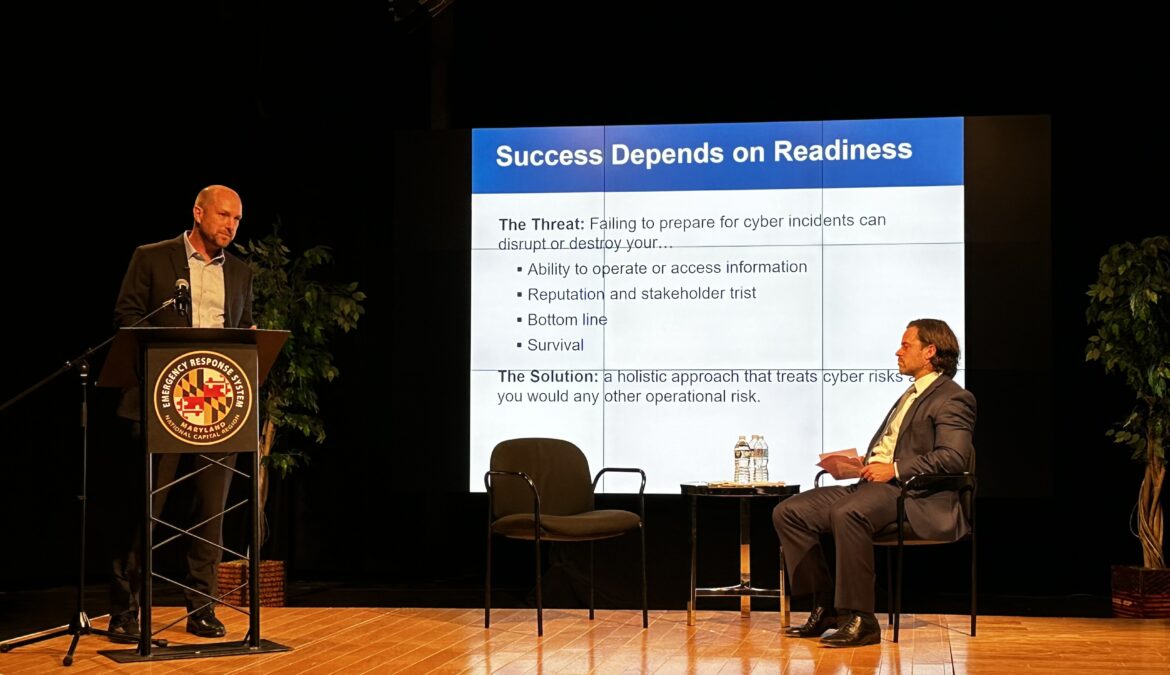
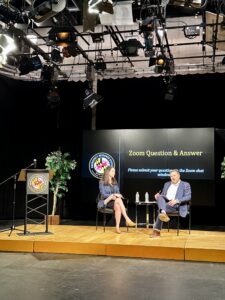
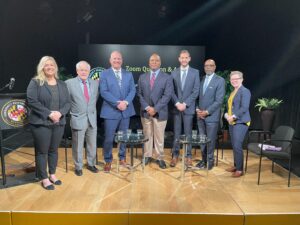 The program started off with a panel discussion on public order and crowd control. Darrell Darnell moderated the conversation and was joined by Glendale Fire Chief Ryan Freeburg, Philadelphia Office of Emergency Management Homeland Security Program Manager Gary Spector, Yale University’s Associate Vice President for Public Safety and Community Engagement Ronnell Higgins, and Emergency Department Physician and the Institute of Emergency Management Director for the MedStar Washington Hospital Center Craig DeAtley. The panelists explored discipline-specific and multiagency coordination in planning for and responding to large-scale public order events. Symposium attendees posed various questions to the panelists to facilitate discourse about various public order topics. The breadth of this discussion supplied participants with lessons learned and best practices for response to large-scale planned and unplanned public order events.