In Fiscal Year (FY) 2021, the period from June 1, 2022, through May 31, 2023, the Maryland-National Capital Region Emergency Response System (MDERS) played a vital role in strengthening stakeholder response capabilities. Through targeted policy and planning initiatives, systematic development and delivery of training and exercise programs, and strategic equipment acquisition, MDERS provided critical support to partner agencies, empowering them to improve their operational abilities. During FY21, MDERS, in collaboration with partners, focused their programmatic efforts into 15 different capabilities, which includes:
- Command Competency Law Enhancement
- Damage Assessment Software
- Emergency Management Response and Recovery Professional Services
- Emergency Medical Services (EMS) Augmented Reality Training
- Emergency Medical Services (EMS) Mobile Clinical Competency Program
- Emerging Homeland Security Technology Pilot
- Incident Command Simulation
- Law Enforcement Specialized Vehicle Enhancements
- Mass Casualty Incident Response Support
- Public Access Bleeding Control
- Public Health Emergency Response
- Small Unmanned Aerial Systems (sUAS)
- Tactical Equipment for Law Enforcement
- Technical Rescue Vehicle
- Training and Exercise Program
Command Competency Lab Enhancement
The Command Competency Lab Enhancement modernized the Prince George’s County Fire Department’s (PGFD) command-level officer training. These enhancements create an immersive and lifelike training simulation environment by integrating state-of-the-art three-dimensional (3D) and virtual reality (VR) technologies. This initiative, supported by upgraded information technology (IT) infrastructure and equipment, including a high-performance rendering workstation and visualization tools, enables incident personnel to practice decision-making, strategic coordination, and communication skills in controlled scenarios. Key upgrades, such as the integration of a portable Bespoke VR system into PGFD’s Mobile Immersive Simulation Environment (MISE), have significantly improved training outcomes. These improvements have allowed participants to better prepare for high-pressure emergencies and refine their operational readiness.
Damage Assessment Software
Effective damage assessment is a critical component of the post-impact recovery phase that guides incident personnel in strategically allocating resources and prioritizing areas requiring immediate attention. In FY21, the Montgomery County Office of Emergency Management and Homeland Security (OEMHS) enhanced its operational capabilities by incorporating Juvare’s Crisis Track software into their response operations. This innovative tool streamlines response and recovery efforts while bolstering the accuracy of collected data. Designed for field use, Crisis Track allows OEMHS staff to efficiently conduct damage assessments, capture incident photographs, and precisely map impacted locations. The collected information is integrated into the Emergency Operations Center (EOC) reporting tools to provide a real-time overview of the incident, providing officials with actionable insights and situational awareness to enhance decision-making and optimize emergency response strategies.
Emergency Management Response and Recovery Professional Services
MDERS supported the critical missions and strategic goals of OEMHS and Prince George’s County Office of Homeland Security and Emergency Management (PG OHS/EM) by funding various professional services. In Montgomery County, MDERS helped fund two contractors to reinforce OEMHS’s community preparedness initiatives and emergency planning. This funding also strengthened the functions of community volunteer organizations, such as the Community Emergency Response Team (CERT) and Community Operations Active Disaster (COAD). In Prince George’s County, MDERS allocated funding to bolster PG OHS/EM’s response and recovery capabilities through executing planning initiatives and conducting specialized training programs. Additionally, funding was used to establish a contracted position aimed at enhancing volunteer and donations management operations while expanding community outreach and coordination efforts.
Emergency Medical Services (EMS) Augmented Reality Training
To improve emergency medical services (EMS) training and preparedness, MDERS supported the integration of augmented reality technology into EMS education programs for the Montgomery County Fire and Rescue Service (MCFRS) and PGFD. This initiative, funded by MDERS, facilitated the purchase of the PerSim® Pro software and necessary augmented reality devices, including the Hololens, to create an immersive training environment. These tools simulate patient encounters and customizable virtual mass casualty scenarios to improve the skills of first responders in medical care, scene management, and decision-making under stressful conditions.
Emergency Medical Services (EMS) Mobile Clinical Competency Program
The EMS Mobile Clinical Competency Program, developed with the support of MDERS, modernized emergency medical training for both MCFRS and PGFD by providing two customized electric vans equipped with specialized training tools. Each van operates as a mobile classroom outfitted with manikins, patient care supplies, and trauma equipment to enable realistic training in advanced EMS techniques, such as surgical airway procedures, intravenous (IV) insertion, and intubation. The program provides EMS personnel with a flexible and no-fault environment to refine critical skills while reducing the burden of traveling to training locations.
Emerging Homeland Security Technology Pilot
MDERS established the Emerging Homeland Security Pilot Program, known as the “Innovation Fund,” to support stakeholder agencies in addressing emergency response challenges through the evaluation and implementation of innovative technologies. The Innovation Fund allows agencies to apply for funding to procure, test, and assess novel solutions, enabling informed decisions about further investments and operational integration. By piloting certain technologies, agencies gain valuable insights into their effectiveness and applicability before fully adopting the equipment. In FY21, the specific technology acquired through the Innovation Fund includes the following:
- Paratech Rescue Guardian Kits are an advanced monitor and alarm system that provides MCFRS and PGFD firefighters with instant data about the dynamics of a comprised structure.
- First Arriving Digital Dashboards provided MCFRS with the ability to maintain a holistic situational awareness in one platform by gathering incident information from responses occurring throughout the region.
- K9 Global Position System (GPS) Collars and Accessories provided Montgomery County Police Department (MCPD) with the needed equipment to track a deployed K9 through a simple mobile application.
- Butterfly Ultra-Sound Monitors allowed MCPD and Prince George’s County Police Department (PGPD) tactical emergency medical services (TEMS) personnel with portable monitors that facilitate on-scene patient assessment and ultra-sound imaging to increase the survival rates of patients experiencing life-threatening conditions.
- Audio/Video Equipment for the Command Competency Program assisted PGPD with creating training materials to strengthen the skills, tactical techniques, and best practices for personnel.
Incident Command Simulation
MDERS, in collaboration with the Uniformed Services University Val G. Hemming Simulation Center, developed an advanced virtual reality simulation system to bolster incident command training for MCFRS and PGFD. Utilizing cutting-edge 3D modeling and immersive technology, this initiative replicates complex emergency scenarios, such as residential house fires, to improve coordination, communication, and decision-making. The simulation integrates seamlessly into the MISE lab to expand training opportunities and enable participants to refine their actions in a controlled setting. This program reflects a commitment to supporting continuous training improvements that drive significant progress in response operations.
Law Enforcement Specialized Vehicle Enhancements
A special operations van and equipment were procured to support the deployment of MCPD personnel to complex and large-scale events. MDERS procured a van, a video switch camera, and additional barriers to respectively facilitate the transportation of tactical equipment, increase situational awareness, and reinforce scene management. MCPD used these enhancements to reinforce the safety of command staff, police officers, and civilians during public order, crowd management, and active violence incidents.
Mass Casualty Incident Response Support
MDERS enhanced the region’s Mass Casualty Incident Response Support capabilities by providing funding for tactical emergency casualty care (TECC) supplies and advanced medical equipment for MCFRS and PGFD. These resources included critical items such as tourniquets, decompression needles, and airway kits to address severe trauma in high-stake incidents. MDERS also funded the procurement of five Lund University Cardiopulmonary Assist System (LUCAS) devices, which deliver automated chest compressions to improve survivability rate by 25% in cardiac arrest cases. This initiative provides first responders with the tools necessary to manage, mitigate, and recover from mass casualty incidents.
Public Access Bleeding Control
The Public Access Bleeding Control Program, developed by MDERS, equips civilians in Montgomery and Prince George’s Counties with the essential knowledge and tools to manage life-threatening bleeding emergencies. Through the deployment of over 1,000 bleeding control kits across public spaces, the program enhances community preparedness and increases survivability during emergencies. In FY21, MDERS grew the program by providing training caches to the Prince George’s County Public Schools System (PGCPS) and procuring additional equipment to expand the locations of these vital supplies.
Public Health Emergency Response
MDERS allocated funds to support the full-time staffing of a Medical Reserves Corps (MRC) coordinator for the Montgomery County Department of Health and Human Services (DHHS) and the Prince George’s County Health Department (PGHD). The MRC Coordinator oversaw the deployment of volunteer medical professionals to various public health events in both jurisdictions. In Montgomery County, over 1,002 volunteer deployments contributed to more than 3,000 hours to activities such as COVID-19 vaccination clinics, testing operations, and community outreach. Similarly, in Prince George’s County, over 150 volunteers completed organizational training and engaged in more than 2,300 of public health emergency operations, including COVID-19 testing, vaccination clinics, and outreach for communicable disease control. Volunteers in both counties were trained in life-saving skills, supported disaster assistance centers, and participated in educational initiatives to bolster community resilience.
Small Unmanned Aerial Systems (sUAS)
MDERS supported the implementation and expansion of small unmanned aerial systems (sUAS) in both Montgomery and Prince George’s Counties to strengthen stakeholders’ situational awareness and decision-making during intricate incidents requiring a specialized response. In Montgomery County, sUAS platforms were integrated into MCPD, MCFRS, and OEMHS operations, providing critical support for search and rescue missions, damage assessments, and active violence incidents. Accessories such as intelligent flight batteries and portable charging stations were procured to bolster operational efficiency. PGPD improved their sUAS program by acquiring advanced terrestrial imaging components to enhance geographical assessments, search operations, and post-incident evaluations. Additional investments in training, vehicle-mounted deployment equipment, and essential accessories reinforced the region’s ability to respond to diverse emergencies.
Tactical Equipment for Law Enforcement
In FY21, MDERS improved the specialized capabilities of MCPD and PGPD by providing tactical equipment designed to increase officer safety, situational awareness, and response efficiency during high-priority incidents. MCPD received personal protection equipment (PPE) kits, which included full-body protective gear, tactical respirators, and communication headsets, allowing officers to safely manage incidents involving chemical or biological hazards. PGPD received TEMS extraction kits, thermal breaching kits, and PPE to support Rescue Task Force operations, enabling officers to conduct tactical extractions and manage barricaded individuals. Additionally, a raid van was procured for PGPD to streamline the deployment of equipment and personnel. These strategic investments strengthen the preparedness of MCPD and PGPD across a wide range of critical operations.
Technical Rescue Vehicle
MDERS facilitated the procurement of a specialized technical rescue vehicle for MCFRS. This new tractor-drawn trailer offers 50% more storage capacity and improved mobility to allow personnel to efficiently transport and deploy necessary equipment. Alongside the vehicle procurement, MDERS supported structural collapse training for MCFRS and PGFD which equipped participants with specialized skills such as shoring, breaching, and moving techniques to handle intricate rescue operations.
Training and Exercise Program
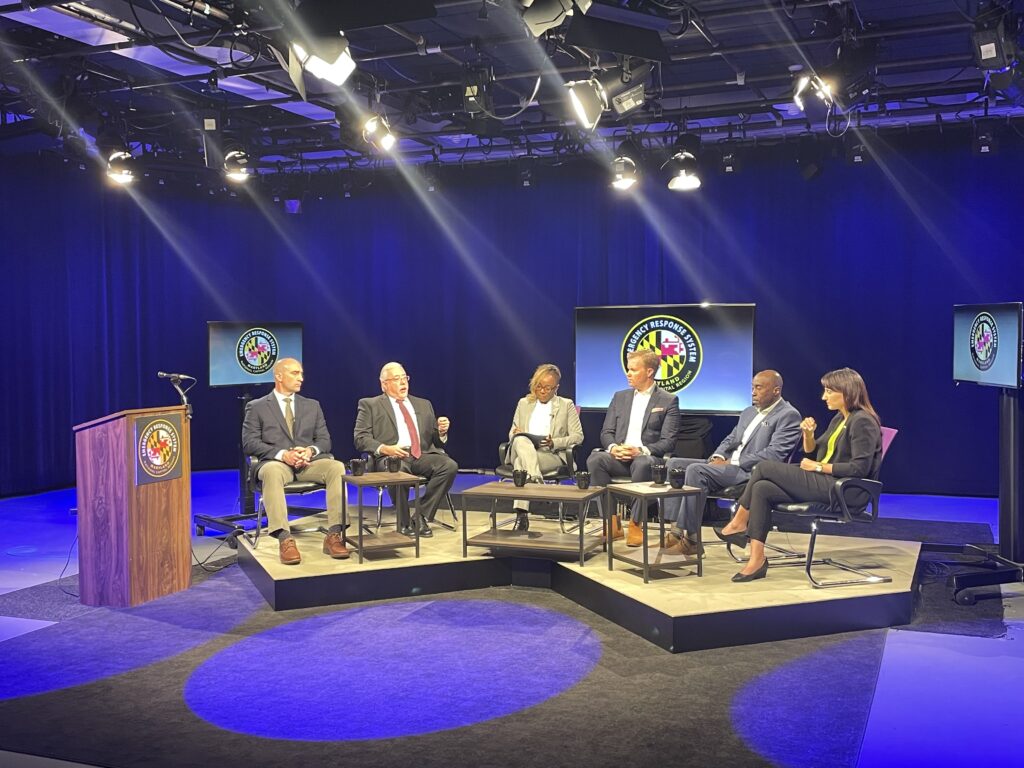
The Training and Exercise Program implemented by MDERS provides a wide range of opportunities for stakeholders to enhance their skills and capabilities through in-person, virtual, and hybrid curricula. This program encompasses highly specialized tactical trainings as well as policy-level and leadership development to address the diverse learning needs and operational priorities of stakeholders. Key training and exercises include:
- Advanced Explosive Breaching Course
- Advanced Law Enforcement Rapid Response Training (ALERRT) Conference 2022 & 2023
- Advanced Level 1 Public Order Training
- Advanced Sniper Course
- Aerial Platform Training
- Anatomy Gift Registry Lab 2022 & 2023
- Assessment and Training Solutions Consulting Corporation (ATSCC) Tactical Emergency Casualty Care (TECC) – Live Tissues Class
- Association of Healthcare Emergency Preparedness Professionals (AHEPP) Conference
- Counter Narcotics and Terrorism Operational Medical Support (CONTOMS) EMT – Advanced Tactical Course
- Direct Action Resource Center (DARC) Advanced Kinetic Breaching Course
- DARC Level 1 Kinetic Breaching Course
- Federal Bureau of Investigation (FBI) Executive Leadership Institute (ELI)
- FBI Supervisor Leadership Institute (SLI)
- Fire Department Instructors Conference (FDIC) International
- First Amendment Summit 2022 & 2023
- Governs Hurricane Conference
- Grant Writing Course
- Homeland Security and Evaluation Program (HSEEP)
- International Association of Emergency Managers (IAEM) Annual Conference 2022 & 2023
- International Association of Fire Chiefs (IAFC) Hazardous Materials Response Teams Conference
- Maryland Emergency Management Association (MDEMA) Annual Symposium
- Maryland-National Capital Region Emergency Response System (MDERS) Annual Symposium
- National Association of County and City Health Officials (NACCHO) Preparedness Summit
- National Association of Emergency Medical Services Physicians (NAEMSP) Annual Conference
- National Healthcare Coalition Preparedness Conference (NHCPC)
- National Homeland Security Conference (NHSC) 2022 & 2023
- National Hurricane Conference
- National Preparedness Leadership Initiative (NPLI) Improving Decision-Making Virtual Program
- National Tactical Officers Association (NTOA) Law Enforcement Response to Suicidal Subjects
- NTOA Special Weapons and Tactics (SWAT) Command Decision-Making and Leadership I
- Northwestern University School of Police Staff and Command (SPSC)
- Pinnacle Conference 2022 & 2023
- Positional Shooting Clinic
- Special Operations Medical Association (SOMA) Scientific Assembly Conference
- TacOps East Training Conference 2022 & 2023
- Tomahawk Close Quarters Clearance (CQC) Methodical Clearance Baseline Course
- Understanding Unmanned Aircraft Systems (UAS) Maintenance Course
- UAS Operator Course
- Law Enforcement Interoperability TTX
With guidance from its Steering Committee and collaboration with multidisciplinary stakeholders, MDERS continues to reinforce its standard for regional preparedness and resilience to ensure exceptional service for nearly two million residents of Montgomery County and Prince George’s County. By fostering seamless integration, driving innovation, and providing strategic support, MDERS remains deeply committed to its vision of building stronger, safer, and more unified communities, prepared to meet the evolving challenges of tomorrow. For more information, including a detailed synopsis and budgetary breakdown of these programs, this report is available at www.mders.org.
Written by Oscar Coripuna
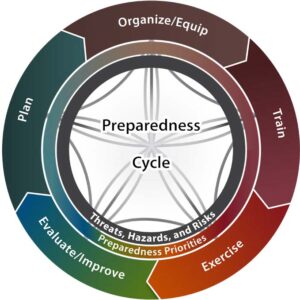 jurisdictions to confront evolving disasters. Each aspect of the cycle is imperative, but HSEEP focuses on the cycle’s exercise and evaluation portion. Both discussion- and operations-based exercises are the key cog to testing the readiness of a community and/or departmental plan for a specific or nondescript emergency. The type, complexity, and resources required for each exercise vary greatly. HSEEP provides a baseline to prepare for each exercise type and consider the requirements needed to effectuate that exercise. At the conclusion of an exercise, a review and evaluation of the performance of exercise participants vis-à-vis the respective plan is critical to identify gaps and enhance the operational procedures within a community. Both phases inform the next step, planning, and reset the Preparedness Cycle.
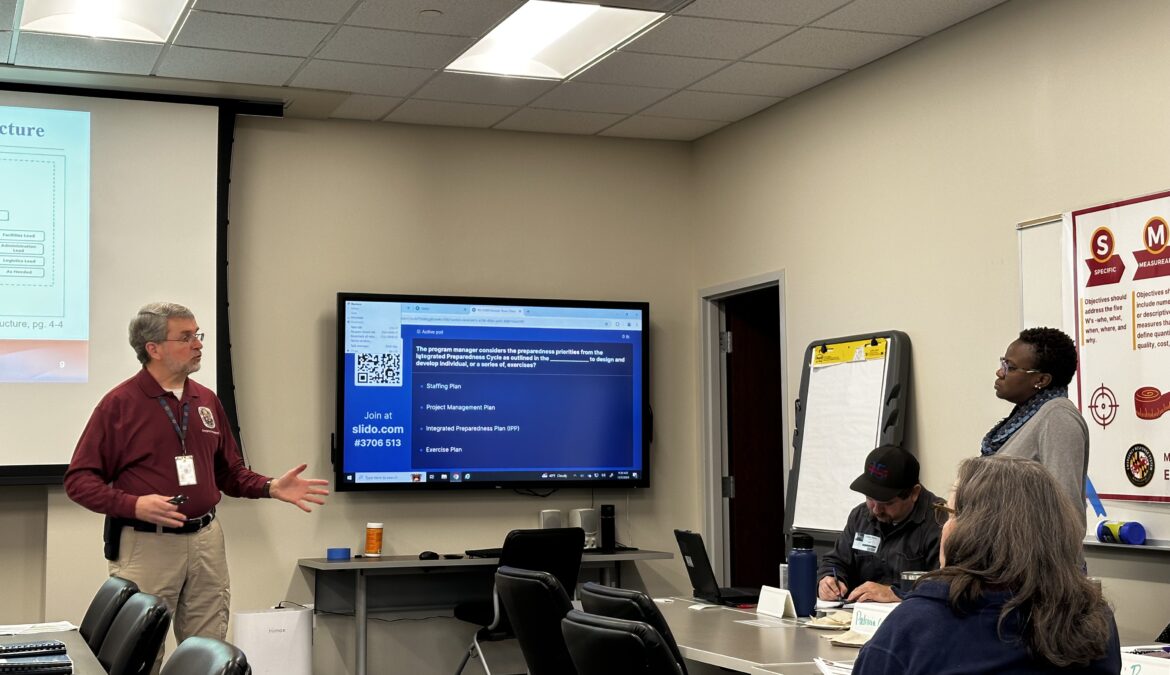
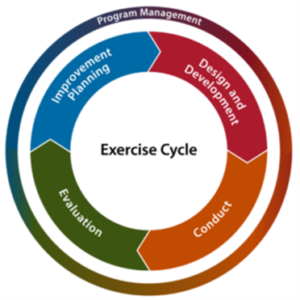 give a holistic understanding of the Exercise Cycle. Instruction was led by two representatives from PG OHS/EM and four representatives from MDERS. Each instructor was able to deliver the course materials with unique insight to impart valuable lessons to the attendees. Interspersed in each module are exercises that allowed the attendees to test the skills they have learned in each section. The exercises are a continuous development that helped attendees develop an exercise from inception to fruition. Lastly, the course culminated with a brief, mandatory test to ensure participants grasped the key principles of the course.
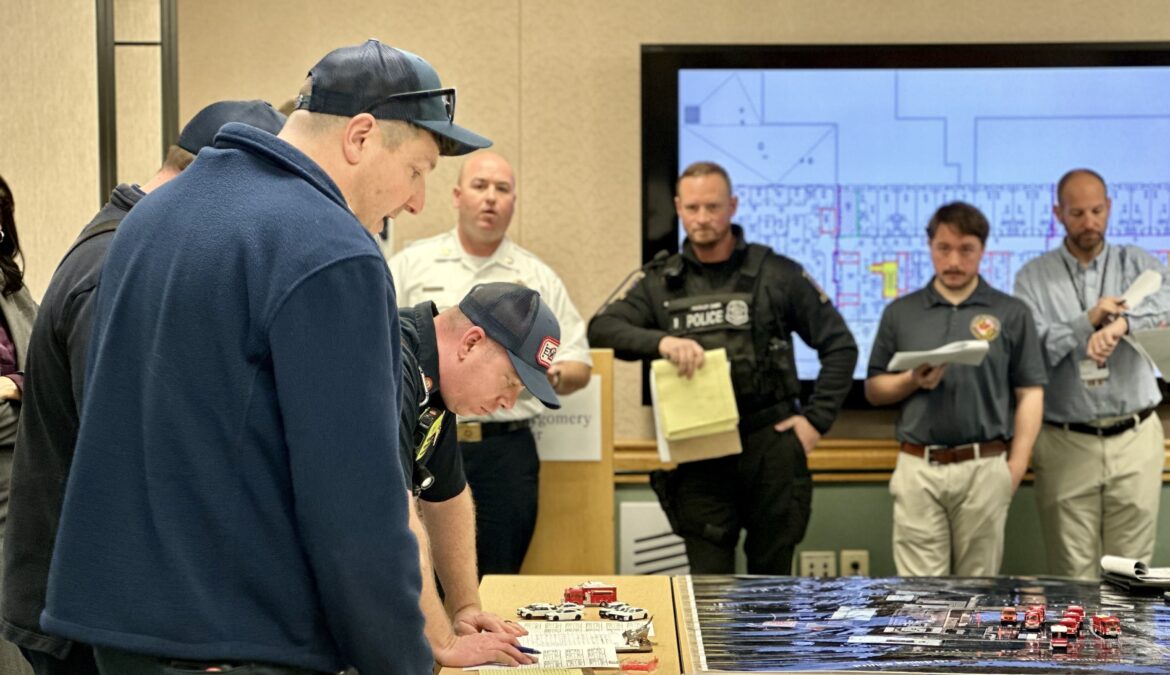

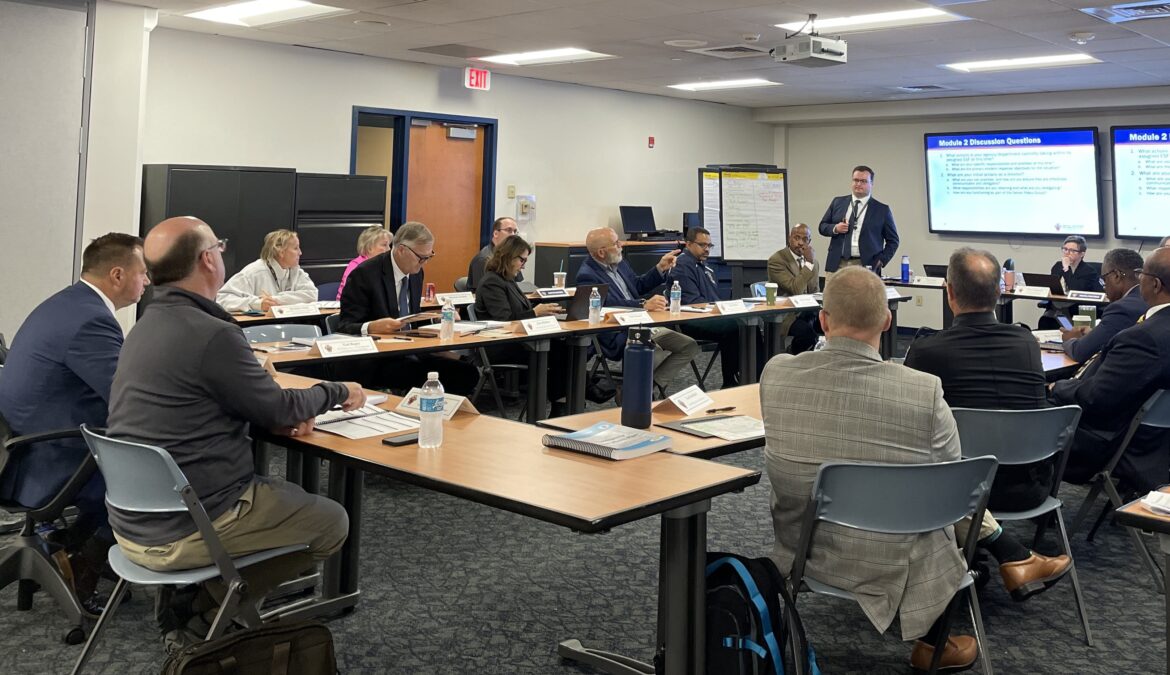
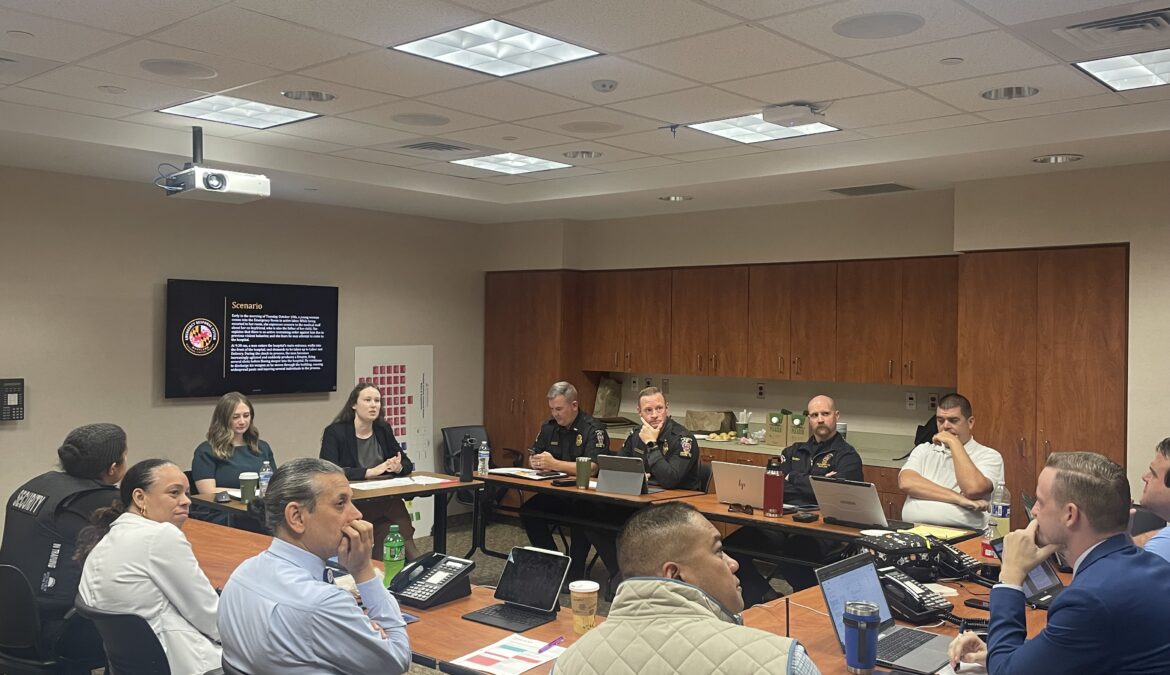
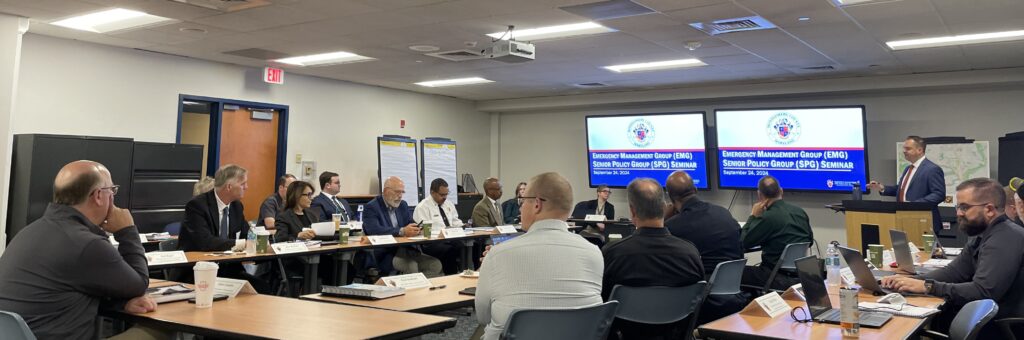 The workshop engaged representatives to progressively navigate the County’s response effort to a tornado that caused tremendous devastation. The scenario necessitated a large-scale response with the SPG collectively discussing logistics and supply chain management, operational communications, operational coordination, and public information and warning. The workshop was well received by all participants as the SPG continues to evolve and adapt to the threats Montgomery County may encounter.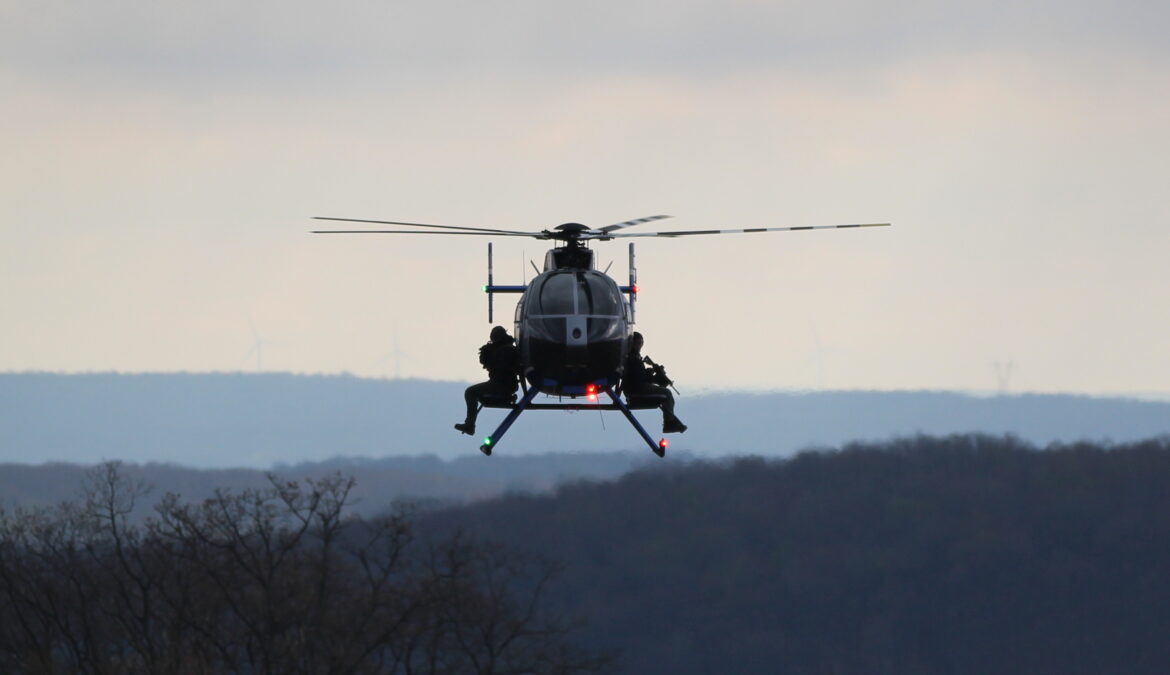
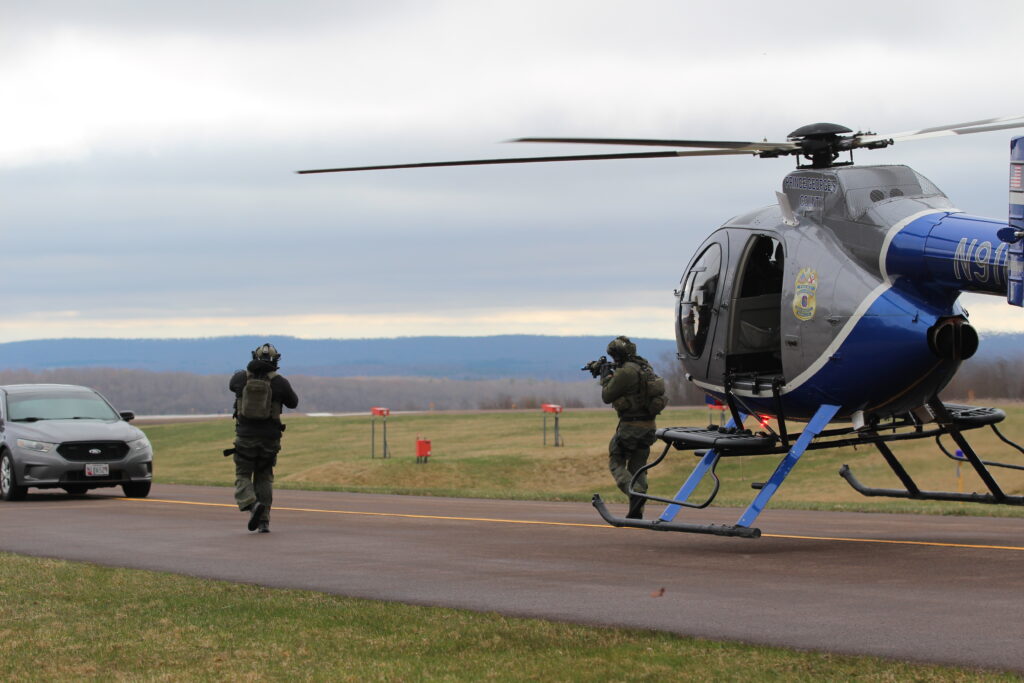
 Testimonials from the Field: Officers who have participated in this training reported an increased confidence in their ability to execute the techniques and skills learned. Lieutenant Daniel Siculietano from PGPD SOD commented, “This training is invaluable and provides an outstanding asset to the police department.” Five MDERS staff members had the opportunity to observe the training this spring. Emergency Response Specialist Elizabeth Adams, one of those staff members, remarked, “Witnessing aerial platform training firsthand was incredibly enlightening. The dedication and skill demonstrated by the officers from PGPD SOD was truly impressive. This training is crucial to ensuring that personnel are consistently prepared to respond to critical incidents.”