MDERS Supports MC OEMHS Exercise Series

In June 2024, the Montgomery County Office of Emergency Management and Homeland Security (MC OEMHS) and the Maryland-National Capital Region Emergency Response System (MDERS) began collaborating on the development, execution, and evaluation of a comprehensive emergency management exercise series.  The exercise series consisted of a workshop with Montgomery County departmental leadership, a tabletop exercise (TTX) with members of the County’s Emergency Management Group (EMG), and culminated in a functional exercise, all designed to strengthen Montgomery County’s readiness and response capabilities. This article focuses on the second and third exercises in the series.

The success of the exercise series was rooted in meticulous planning by a collaborative team consisting of MC OEMHS, MDERS, and other Montgomery County agency representatives. To ensure the authenticity and effectiveness of these exercises, the Montgomery County agency representatives selected were subject matter experts (SMEs) in their respective fields and contributed to the planning of the exercise series. The exercise planning team met numerous times throughout the planning process to ensure each exercise was realistic and met exercise objectives.

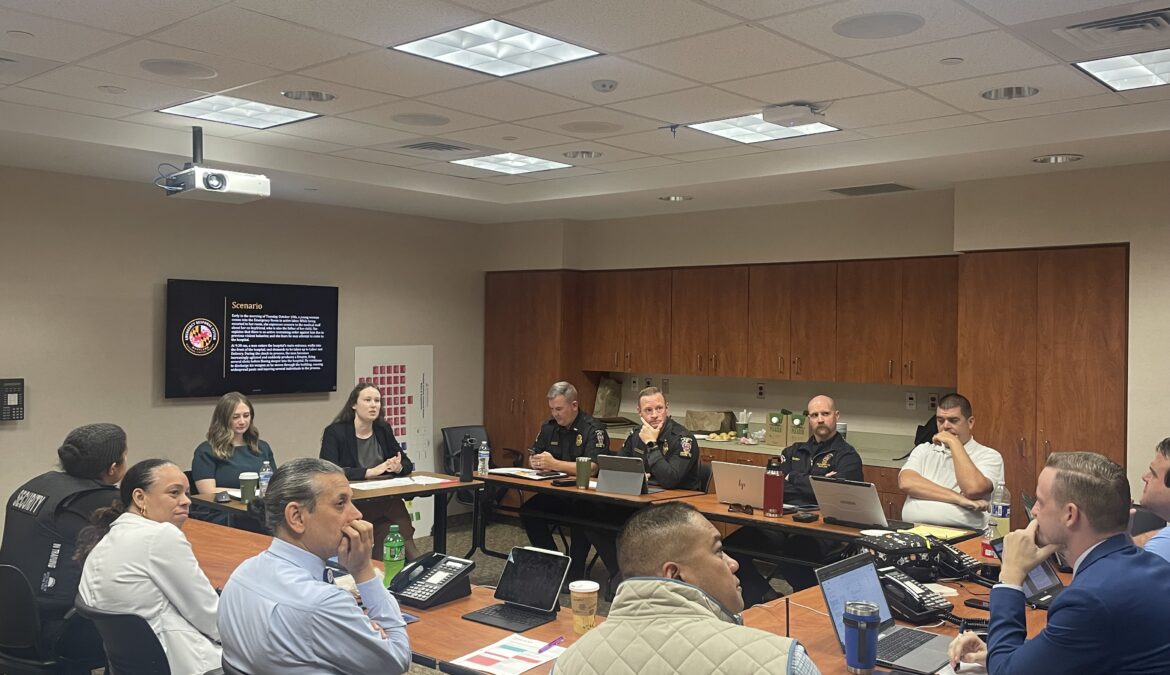
The second exercise was a TTX held in April of 2025 and explored the County’s preparedness for a complex, no-notice incident impacting multiple areas of the County and requiring the rapid mobilization of resources. The TTX included participation from 124 individuals, comprising department heads and members of the Emergency Management Group (EMG), along with facilitators and evaluators from the exercise workgroup. Participants engaged in meaningful discussions that highlighted current capabilities, identified gaps, and explored areas for enhancing emergency plans and procedures.

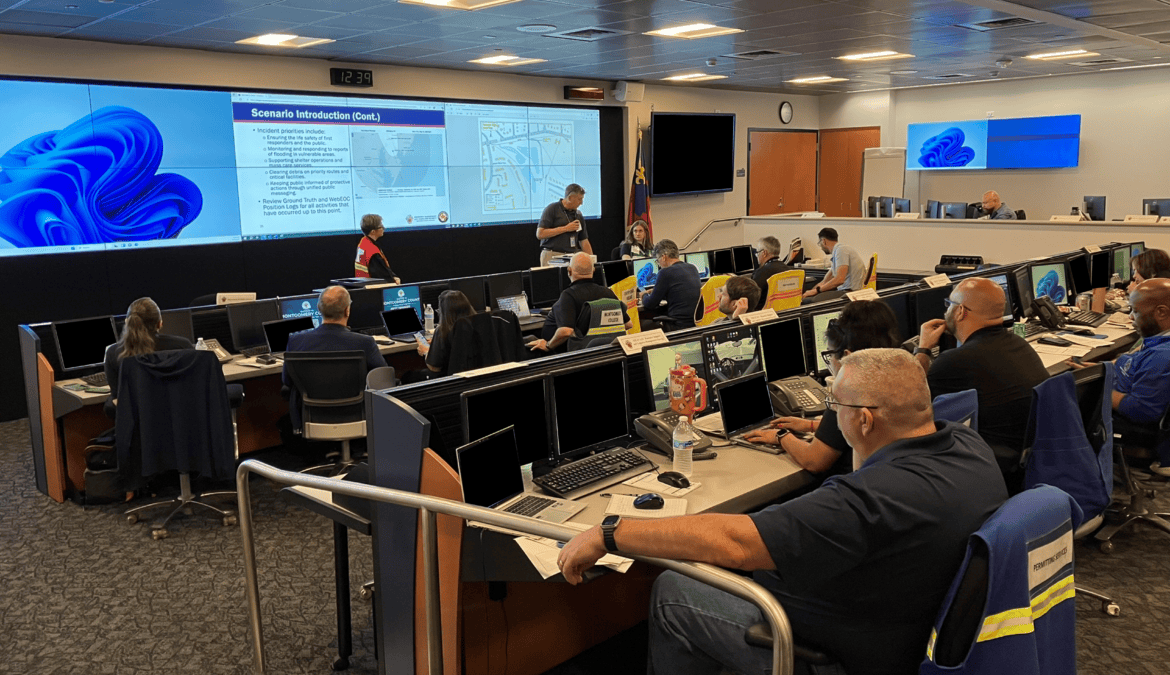
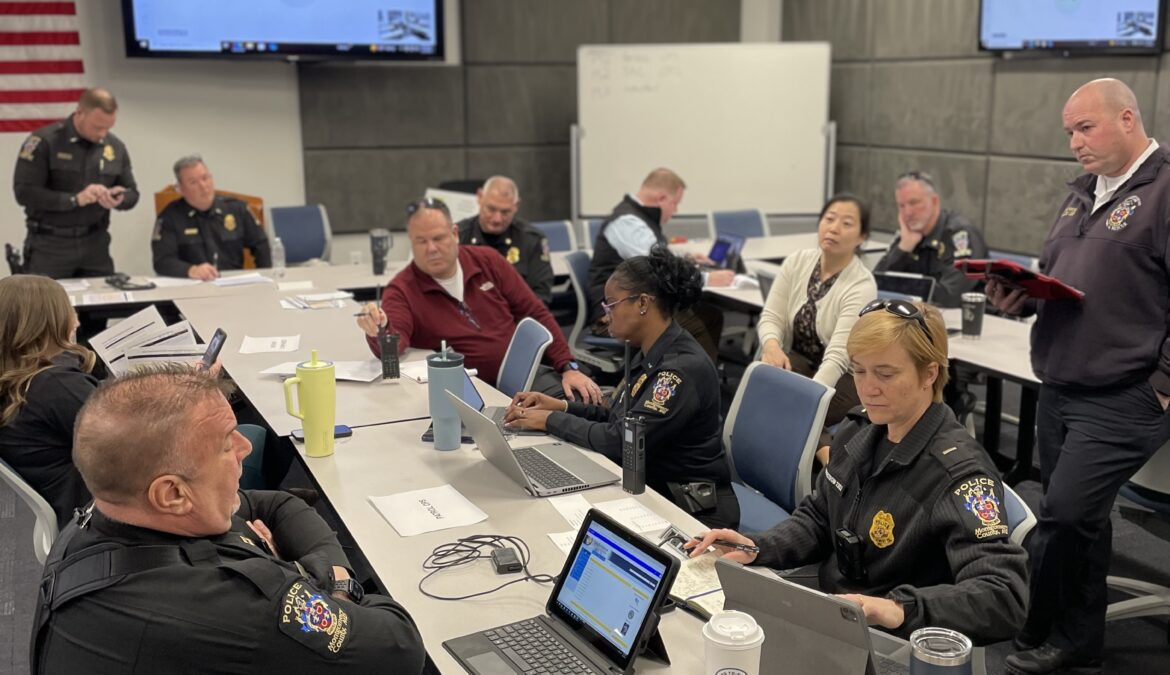
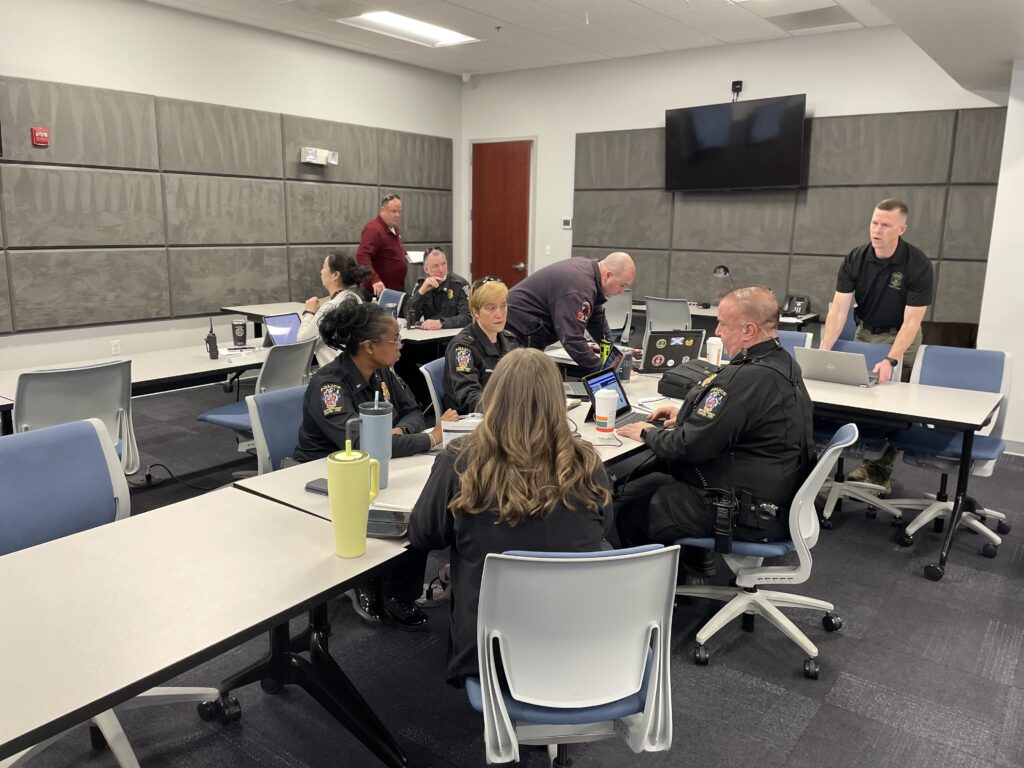
The third and final exercise was a functional exercise conducted at the Montgomery County Emergency Operations Center (EOC) on May 15th. Over the course of two operational periods, 100 participants responded to the EOC to deal with the impacts of a simulated hurricane that was impacting Montgomery County. This exercise tested internal communications, participants’ use of situational awareness tools such as WebEOC, inter-agency collaboration and coordination, and the current response capabilities across multiple Montgomery County departments, agencies, and partner organizations. The participants were able to practice key decision-making, effective resource management, and public information functions in a realistic, time-pressured environment.

Both exercises were designed to align with the Federal Emergency Management Agency (FEMA) Homeland Security Exercise and Evaluation Program (HSEEP) principles, which allow for actionable insights that inform ongoing planning and training efforts within Montgomery County.

MDERS is proud to support MC OEMHS in its mission to enhance preparedness and protect the residents of Montgomery County.

Written by Katie Dwyer

Lessons in Action: MDERS 2025 Symposium

On May 22, 2025, the Maryland-National Capital Region Emergency Response System (MDERS) hosted its ninth annual symposium, marking the first in-person event in six years. Held at The Hotel at the University of Maryland in College Park, this year’s symposium, themed Lessons in Action, brought together public safety and homeland security professionals from across the country to examine critical incidents, identify best practices, and explore how organizations can adapt in the face of adversity.

The daylong event featured a dynamic keynote address, an in-depth panel discussion, and two presentations, each offering unique insights into response, resilience, and operational evolution. Guiding the day’s conversation was moderator Jonathon Monken, a seasoned national security and emergency management expert. The day’s events are outlined below.

Keynote: Nick Lavery

The symposium opened with a compelling keynote by Nick Lavery, an active-duty Green Beret and the first above-the-knee amputee to return to active service. Lavery shared his personal journey of injury, recovery, and return to duty, emphasizing the importance of mental resilience, relentless training, and the will to overcome. His story set a powerful tone for the day, underscoring the human element behind operational excellence.

Panel Discussion: Political Extremism in Context

The symposium’s panel discussion, Political Extremism in Context: History, Law, and National Implications, featured Dr. Michael Jensen, Dr. John Horgan, and Michael Vesely, alongside event moderator Jonathon Monken. The panelists explored the motivations and tactics behind political extremism, the legal challenges of prosecuting homegrown terrorism, and the importance of data-driven research in shaping public understanding and policy.

Charlottesville: A Case Study in Organizational Trauma

Emily Pelliccia, Deputy Chief of Community Risk and Resilience for Albermarle County Fire Rescue, shared a deeply personal and professional account of her experience during the 2017 Unite the Right rally in Charlottesville, Virginia. Her presentation focused on the lasting organizational trauma endured by local government agencies and how they have since worked to rebuild trust, revise policies, and foster long-term resilience.

Beyond Borders: Lessons Learned from the Surfside Collapse

Captain David Nunez and Firefighter James Dobson of Florida Task Force II’s Urban Search and Rescue (USAR) team recounted their experience responding to the 2021 Surfside condominium collapse. Their session highlighted the innovative search techniques employed during the mission and the subsequent changes in training protocols to better reflect real-world conditions.

The 2025 MDERS Symposium was met with overwhelmingly positive feedback from attendees, who praised both the content and structure of the event. One participant shared, “The entire event was great, and I found many things applicable to my personal life and to my practice.” Another remarked, “The symposium this year offered speakers from a variety of backgrounds and perspectives related to public safety. This was wonderful, as they each brought unique knowledge to those in attendance.” This broad range of insights contributed to a dynamic and engaging experience for all involved.

The 2025 MDERS Symposium provided a valuable forum for reflection, learning, and connection. By sharing lessons from the field, whether from regional tragedies or large-scale national incidents, attendees left with a deeper understanding of what it takes to build resilient systems and communities prepared to respond to the unexpected.

Written by Elizabeth Adams

MDERS Welcomes Emergency Response Specialist, Matt Panagos

The Maryland-National Capital Region Emergency Response System (MDERS) is pleased to announce that Matthew (Matt) Panagos has joined our team as an emergency response specialist. In this role he will serve in the Operational Support Directorate, supporting training, exercise, and planning efforts in close coordination with MDERS’s stakeholders.

Medical Disaster Epidemiology Response Specialist in professional suit, smiling in an urban setting, representing leadership in emergency preparedness and response. Matt joins the MDERS team after spending a decade in various accounting roles at Georgetown University. As part of his portfolio at Georgetown, he oversaw various financial accounts, managed and tracked procured equipment, and coordinated with offices to ensure regulatory compliance.

He also volunteers at the Cabin John Park Volunteer Fire Department where he serves as an emergency medical technician (EMT) and firefighter. Matt holds a Master’s in Emergency and Disaster Management and Bachelor of Arts in History with a Minor in Theological & Religious Studies.

The MDERS team is happy to welcome Matt and use his expertise to advance the development of our stakeholders’ capabilities.

MDERS Structural Collapse Full-Scale Exercise

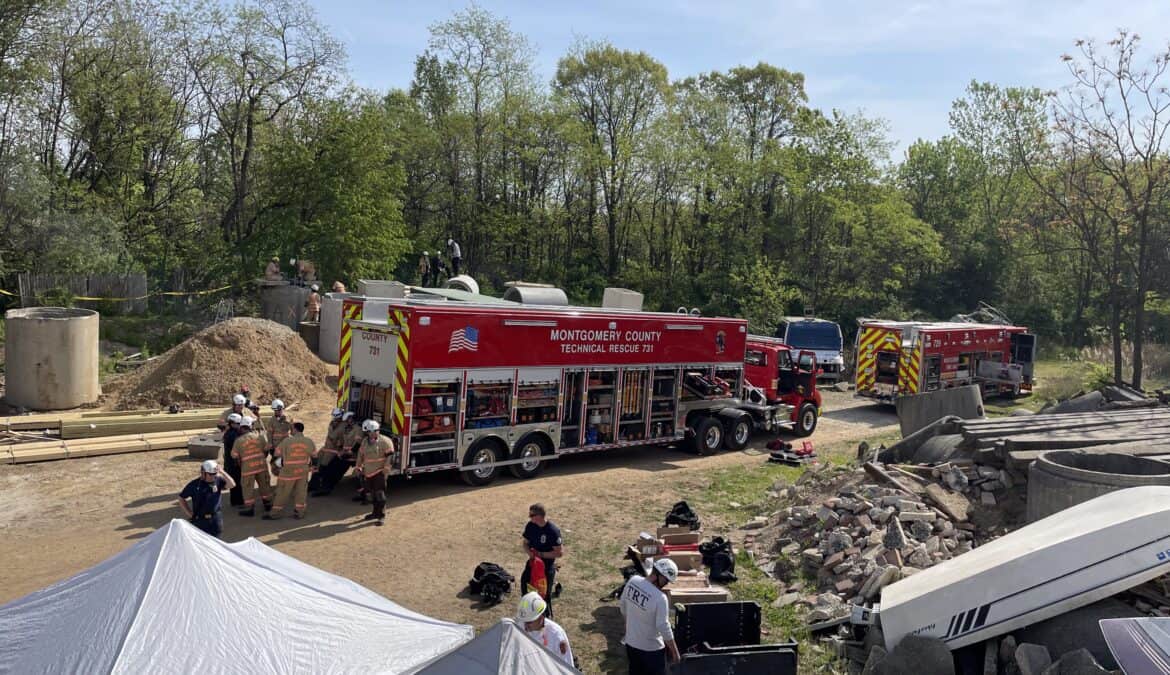
On April 22nd and 24th, the Maryland-National Capital Region Emergency Response System (MDERS) coordinated a structural collapse full-scale exercise (FSE) with the Montgomery County Fire & Rescue Service (MCFRS) and Prince George’s County Fire/EMS Department (PGFD). The two-day exercise, held at the Search and Rescue Assist (S.A.R.A) location in Linthicum Heights, was designed to assess each departments’ ability to establish command and jointly respond to a simulated warehouse collapse. The exercise lasted approximately six hours each day and provided a dynamic, real-world training environment that challenged participants to deploy specialized equipment and tactics to extricate trapped victims. The complexity of this exercise underscores MDERS’s and its partners’ commitment to enhance interjurisdictional coordination and elevate capabilities to better serve our communities and constituents.

This FSE was the penultimate stage of the POETEE cycle, (planning, organizing, equipping, training, exercising, and evaluating) aimed at improving structural collapse response for MCFRS and PGFD. The process began in 2021 with the creation of a workgroup comprised of subject matter experts (SMEs) from both departments, with support from MDERS. As progress was made, the initial deliberations for the FSE began in the spring of 2023, but fiscal and logistical hurdles arose. These impediments delayed the FSE to ensure a productive and successful exercise. With a new target date of spring 2025, the workgroup focused on the methodical process to create and execute the FSE.

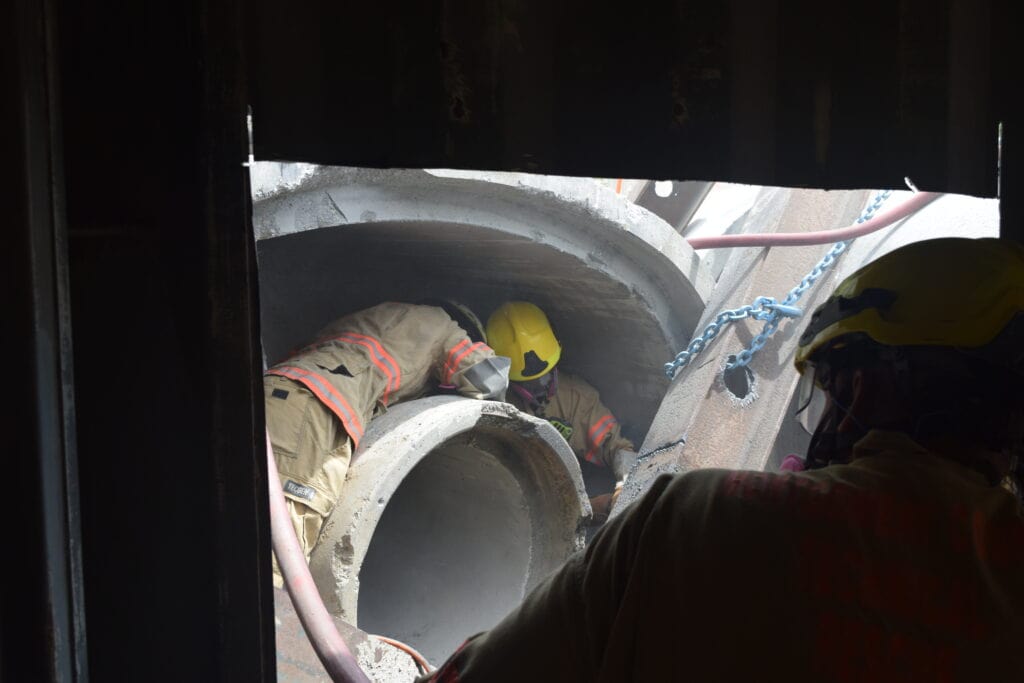
Initially, the workgroup identified two potential locations to conduct the exercise: the Montgomery County Police Department (MCPD) Outdoor Range in Dickerson and the S.A.R.A site in Linthicum Heights. Ultimately, in consultation with departmental leadership, a consensus was reached to utilize the S.A.R.A facility. With the location finalized, MDERS staff began contacting concrete and construction companies across the state to accumulate the needed materials. Large concrete pipes and vaults, steel beams, and a Conex shipping container were acquired as components to configure the collapsed structure training environment. Over multiple days, the materials were offloaded and positioned to create the exercise site. The arrangement of the materials was meticulously situated to create five distinctive paths. Each path presented different challenges and obstacles for exercise participants to safely reach and remove pre-positioned victims.

On the days of the exercise, exercise participants and apparatuses were staged at a nearby light rail station parking lot. This location allowed for the efficient arrival of large vehicles and facilitated briefings without allowing participants to scout the exercise site beforehand. At the commencement of the exercise, the apparatuses responded to the emergency in a staggered progression to simulate a more realistic response. On the first day, PGPD was the initial responding department with mutual aid support from MCFRS, and the roles were reversed on the second day.

As the initial responding units arrived on the scene, the commanding officer established Incident Command (IC) and divided personnel into teams to start rescue operations at predetermined points of ingress. The arrival of mutual aid partners necessitated the creation of Unified Command (UC) and a rotation of active personnel working on the exercise site. The composition of the exercise site required arduous and prolonged work using various structural collapse techniques, such as shoring, breaching, cutting, breaking, and burning.

At the conclusion of each day, a hotwash was held to catalogue all input from participants, and an anonymous evaluation was shared with participants to complete. The overwhelming majority of participants thoroughly recognized the benefits of the exercise.  All the input and technical evaluations will be included in an after-action report (AAR) with the participating agencies.

The success of this exercise marks a significant milestone in MDERS’s ongoing efforts to enhance operational capabilities and foster stronger interjurisdictional collaboration amongst our stakeholders. This exercise has already prompted internal changes for the departments and will serve as a catalyst for further interjurisdictional training with MCFRS and PGFD. The lessons learned will help shape the planning of future FSEs and other training exercises, ensuring that the participating agencies are better prepared for a myriad of different emergencies.

The success of this exercise would not have been possible without the support of Chief Jonathan Bender, Chief Doug Hinkle, Chief Jeremy Shaffner, Lt. John Lann, Lt. Logan McGrane, MFR John Gilkey, MFR Chris Hinkle, MFR Jerry Smith, Capt. Patrick Monahan, and Technician Joseph Baker. MDERS extends our gratitude to each individual for their time and expertise in creating this exercise. Additionally, MDERS would like to thank Concrete Pipe & Precast, Miller & Long Co., Atlantic Concrete, and Nelson Precast for their donations and S.A.R.A for allowing us to host this exercise at their facility.

Washington Gas Exercise Series: Rail Car Fire

Emergency operations at sensitive critical infrastructure sites demand close coordination between response partners and facility subject matter experts (SMEs). To strengthen this collaboration, the Maryland-National Capital Region Emergency Response System (MDERS) hosted a tabletop exercise (TTX) that simulated a rail car fire at the Washington Gas Rockville plant. The complex scenario required all participating agencies to communicate and align their efforts to manage the incident effectively. Emergencies at critical infrastructure sites can present unique challenges. This TTX was the second installment of an exercise series to allow participants to confront a variety of distinctive problems related to each incident (read about the initial workshop here). Crafting this exercise series, and this TTX, required discipline-specific, specialized knowledge from each organization identified below:

  • Montgomery County Fire & Rescue Service (MCFRS)
  • Montgomery County Police Department (MCPD)
  • Montgomery County Office of Emergency Management and Homeland Security (MC OEMHS)
  • Washington Gas
  • Rockville City Manager’s Office (Assistant City Manager and Emergency Manager)
  • Rockville City Police Department (RCPD)
  • Rockville City Department of Public Works

The workgroup collaborated to create an overarching scenario to evaluate aspects of each organization and their ability to cohesively integrate capabilities. With the framework for the exercise, the workgroup designed a scenario that would prompt departmental evaluation vis-à-vis the goals and objectives. The scenario, set at the Washington Gas Rockville Plant, involved a severe weather event that ignited a fire on the top of a rail car unloading liquid propane. As the scenario progressed, exercise participants were provided with new information from a master scenario events list (MSEL) about the evolving situation to elicit further discussion about response operations.

The TTX, held at the Montgomery College Rockville campus, had 11 exercise participants. Each participant assumed their actual responsibilities and performed their role outlined in organizational plans and policies. Overall, the participants successfully navigated the scenario and coordinated an interdisciplinary response. The TTX also identified areas for improvement and for further discussion amongst organizations.  All this information will be captured in an after-action report (AAR) for departmental dissemination and consumption.

The information gleaned from this TTX will help inform the development of the final stage of this exercise series, an active assailant TTX at the Washington Gas Rockville Plant. Furthermore, this exercise highlighted the importance of gathering partners to discuss, learn from, and adapt to in order to successfully respond to complex emergencies.

Maryland-National Capital Region Emergency Response System: A Decade in Review

The Maryland National Capital Region Emergency Response System (MDERS) recently marked its 10-year anniversary with a commemorative event at the Prince George’s County Public Safety Range. This milestone celebration brought together public safety officials, emergency response professionals, and other stakeholders to reflect on MDERS’s impact and advancements over the past decade. The event included speeches from key figures, an insightful presentation on emerging technologies, and an expo showcasing state-of-the-art emergency response equipment procured by MDERS for the benefit of our stakeholders.

Since its creation, MDERS has played a crucial role in enhancing the preparedness and response capabilities of emergency services in the Maryland-National Capital Region. Funded through the Department of Homeland Security’s (DHS) Urban Area Security Initiative (UASI) grant, the organization has continuously worked to improve coordination, training, and technological resources for first responders, healthcare professionals, emergency managers, and other partners. As MDERS continues to grow, its leaders and stakeholders took the opportunity to celebrate past successes and look ahead to future advancements in emergency response and public safety.

Reflections on MDERS’s Contributions

The event commenced with an introduction by Lauren Collins, Director of MDERS, followed by an address from Luke Hodgson, Director of the Office of Emergency Management and Homeland Security (OEMHS) for Montgomery County.

Director Hodgson, who previously led MDERS for nine years, shared his reflections on the organization’s most significant contributions to the National Capital Region:

“Over the past decade, MDERS has provided countless contributions to the response community and the public it serves in the form of capability enhancements that span multiple disciplines and jurisdictions. In countless crises over the years, these capabilities have brought about improved outcomes for an incalculable number of people. However, it is my opinion that the most impactful contribution that MDERS has provided to the response community and the public we serve is the development of lifelong relationships between public safety practitioners across and beyond the Maryland-National Capital Region. These relationships, built upon trust, respect, and collaboration, have brought about innovation and growth that span disciplines and jurisdictions. They are the backbone of our uniquely capable response community, bringing about planning, training, and exercising during times of calm and unparalleled collaborative response during times of crisis. The community is fortunate to have the framework of MDERS to build and maintain these relationships that bring about superior service to the residents and visitors of the area.”

These relationships are vital in both training environments and real-life crises. Through consistent planning, training, and joint exercises, MDERS has helped create a response community that operates with seamless coordination. This framework allows first responders to deploy strategies efficiently in times of calm and act with precision during crises. Director Hodgson credited MDERS with laying the foundation for this collaboration and ensuring that the region remains well-equipped to handle emergencies.

Emerging Technology Presentation

As part of the event’s agenda, cybersecurity and artificial intelligence experts Netta Squires and Nick Reese delivered a presentation on emerging technologies. Their discussion covered advancements in AI-driven threat detection, cybersecurity resilience, and the integration of digital tools in public safety operations. 
They highlighted how artificial intelligence can enhance real-time decision-making for first responders, streamline data analysis, and improve threat anticipation. They also addressed the increasing cybersecurity challenges that emergency response agencies face, emphasizing the importance of securing digital infrastructure against evolving cyber threats. Their insights underscored the need for continuous adaptation and investment in technology to keep pace with the rapidly changing landscape of emergency response.

Networking and Expo

Following the presentations, attendees participated in a networking session and explored an expo showcasing cutting-edge emergency response equipment. The exhibition featured items from the following departments:

  • Montgomery County Fire & Rescue Service (MCFRS)- Technical Rescue Trailer
  • Prince George’s County Fire/EMS Department (PGFD)- Command Competency Simulation
  • Prince George’s County Police Department (PGPD)- Bearcat Armored Vehicle, Small Unmanned Aircraft System (sUAS) Van, and Augmented Reality Training System
  • Montgomery County Police Department (MCPD)- Vehicle Barriers and Trailer

All the showcased equipment was acquired through UASI grant funding, demonstrating the impact of federal resources in strengthening regional emergency preparedness and response efforts. These assets have significantly improved response capabilities, offering enhanced mobility, communication, and situational awareness for first responders.

Looking Ahead: The Future of MDERS

The Maryland-NCR Emergency Response System’s 10-year anniversary event highlighted the organization’s dedication to strengthening emergency preparedness through collaboration, innovation, and investment in new technologies. Over the past decade, MDERS has provided critical resources, fostered professional networks, and enhanced the region’s emergency response capabilities.

As MDERS enters its second decade, we remain committed to advancing emergency response strategies, integrating emerging technologies, and building stronger partnerships to ensure the safety and security of the Maryland-National Capital Region. The continued investment in state-of-the-art solutions and professional development will be essential in shaping the future of emergency response.

Director Collins stated, “As I look ahead, I’m most excited about the continued growth and evolution of Maryland ERS. The system has made incredible strides over the past decade, and the future holds even greater opportunities to enhance emergency preparedness, response coordination, and stakeholder engagement across the region. One of the most exciting aspects is the ongoing innovation in technology and training. By integrating cutting-edge tools and data-driven decision-making, we can strengthen our stakeholders’ ability to respond effectively to complex incidents. Another key focus is the continued professional development of our personnel. Investing in leadership, training programs, and interdisciplinary exercises will ensure that Maryland ERS remains at the forefront of emergency response excellence.”

Moving forward, MDERS will continue to evolve in response to emerging threats and challenges. By fostering collaboration and leveraging technological advancements, the organization and its partners will remain at the forefront of public safety, ensuring a resilient and effective emergency management system for years to come.

Written by John Finnerin
MDERS Collaborates with MCFRS and PGFD to Enhance Structural Collapse Capabilities: Tabletop Exercises

A structural collapse can quickly evolve into a complex response that necessitates specially trained personnel, specific and technical equipment, and support from neighboring departments and regional assets. The nature of these unique situations warrants in-depth planning and training to adequately prepare fire department resources. To assess the structural collapse capabilities of the Montgomery County Fire & Rescue Service (MCFRS) and Prince George’s County Fire/EMS Department (PGFD), and as part of a larger evaluation, the Maryland-National Capital Region Emergency Response System (MDERS) hosted two tabletop exercises (TTXs) in early March. The exercises were effective in assessing both departments’ ability to communicate, coordinate resources and personnel, and implement response strategies.

The Occupational Safety and Health Administration (OSHA) has defined a structural collapse event: “when internal load bearing structural elements fail, a building will collapse into itself and exterior walls are pulled into the falling structure” (Occupational Safety and Health Administration, n.d.).  Natural or man-made actions can cause these incidents and vary in scope, severity, and potential operational duration (OSHA, n.d.).

Both MCFRS and PGFD maintain an internal capability to respond to incidents involving structural collapse. Most commonly, both departments deploy these resources for minor incidents like a vehicle inadvertently crashing into a building, which causes minimal damage. However, MCFRS and PGFD can integrate with local, regional, and federal resources during large-scale incidents.

Prominent events can also often be the catalyst for internal review of a department’s capabilities. In the aftermath of the 2021 Surfside collapse, MCFRS and PGFD began a process with MDERS to evaluate and enhance each department’s existing structural collapse capability. These three entities followed the POETEE (planning, organizing, equipping, training, exercising, and evaluating) model to have a streamlined framework for departmental improvements. Adhering to this meticulous approach has produced measurable achievements for both departments with more training for personnel, and the acquisition of specialized equipment such as Paratech Guardian Systems, Bluetooth listening devices, and most notably a technical rescue trailer for MCFRS.

As part of the POETEE model, MDERS, MCFRS, and PGFD have recently been coordinating exercises to gauge the current status of each department’s structural collapse capability. The first phase of the exercise portion was two TTXs. The goals for these TTXs were to:

  • Evaluate the ability of MCFRS and PGFD to cohesively integrate personnel and equipment into a unified response to a structural collapse incident.
  • Assess each department’s command structures’ ability to manage the initial response and transfer oversight to special operations.
  • Examine each department’s procedures for establishing a unified command, coordinating resources, and delegating tasks to the appropriate personnel and entities to ensure seamless incident management.
  • Determine if each department has the needed trained personnel and specialized equipment to effectively respond to a structural collapse incident.

Two scenarios, one in Montgomery County and one in Prince George’s County, were devised to test each department’s ability to effectively manage and respond to a large structural collapse incident. A battalion chief from each department spearheaded the response, coordinating with specialized personnel. The exercise strained participants to identify, parse, delegate, and overcome the litany of tasks associated with these complex responses. The TTXs were well received by the participants and yielded areas for further discussion.

These TTXs were engineered to focus on command-level decision making, but the next exercise as part of this process will be a two-day full-scale exercise with participants from MCFRS and PGFD. This larger exercise allows aspects from the TTXs to be implemented and assess the technical skills of each department.


Source

OSHA. (n.d.). Structural Collapse Guide. Retrieved September 22, 2024, https://www.osha.gov/emergency-preparedness/guides/structural-collapse

MDERS Facilitates Command and Control Tabletop Exercise with MCPD

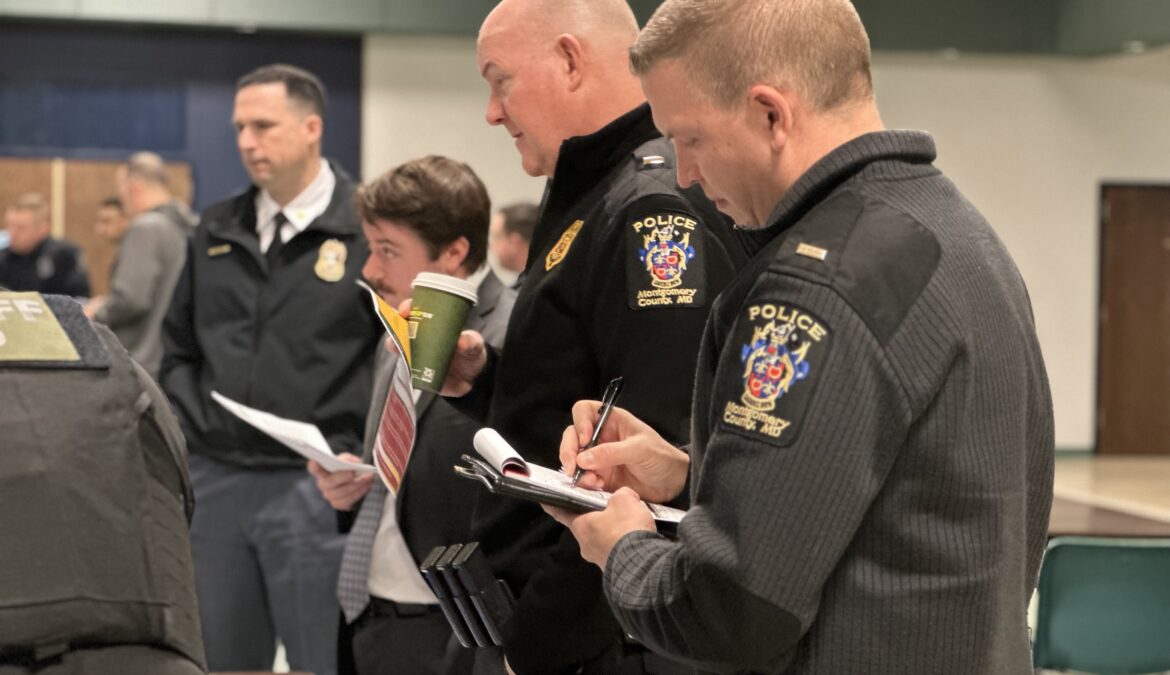
On March 3rd, the Maryland-NCR Emergency Response System (MDERS), in collaboration with the Montgomery County Police Department (MCPD), conducted a tabletop exercise (TTX) designed to enhance command and control capabilities in response to a high-threat incident. The scenario, which involved two active shooters entering a school, provided an opportunity for command staff to refine their decision-making and coordination strategies in a complex, high-pressure environment.

The exercise challenged participants to manage resources effectively, maintain situational awareness, and make critical decisions under stress while coordinating with multiple law enforcement agencies and Montgomery County Fire & Rescue Service (MCFRS).

Key Objectives and Outcomes

First-On-Scene Leadership
Recognizing the importance of immediate action, the exercise included scenarios where patrol officers had to operate independently for the first 5–10 minutes before reinforcements arrived. This tested their ability to make critical decisions under pressure, communicate situational updates, and initiate the foundation for an organized response.

Command & Control
One of the primary objectives was to assess the ability of command staff to establish and maintain operational control during the unfolding crisis. The exercise tested how well commanders could structure their response, delegate responsibilities, and adapt to changing conditions in real time.

Resource Management
With a multi-agency response being a crucial component of any large-scale emergency, the exercise evaluated the ability of participants to coordinate resources across different jurisdictions.

Decision-Making Under Stress
The scenario placed significant emphasis on enhancing participants’ ability to make rapid, high-stakes decisions with incomplete information. Through multiple simulated injects and radio transmissions, command staff were required to prioritize response actions, manage evolving threats, and make strategic choices that impacted the overall outcome of the exercise.

Situational Awareness & Tracking
Ensuring personnel accountability and effectively tracking resources was another critical objective. Participants refined their skills in staging management, tracking deployed teams, and maintaining real-time awareness of the operational environment. This aspect of the exercise reinforced the need for robust information-sharing and disciplined resource allocation.

MDERS remains committed to providing ongoing exercise support to our Montgomery and Prince George’s County law enforcement stakeholders. These exercises are tailored to bolster response capabilities, fortify our communities’ resilience, and allow for improvement through the after-action report (AAR) process.

Written by Hannah Thomas

Enhancing Public Order Preparedness: MDERS Hosts Interjurisdictional Tabletop Exercise

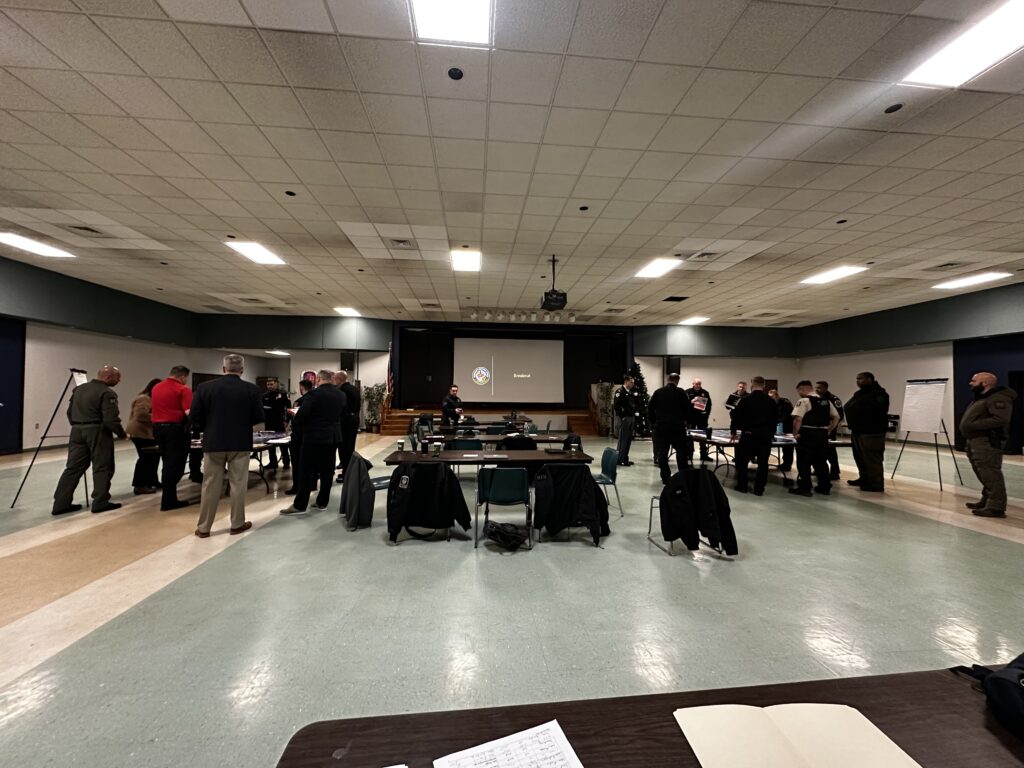
On February 5, 2025, the Maryland-National Capital Region Emergency Response System (MDERS) hosted a tabletop exercise (TTX) focused on interjurisdictional public order response. This three-hour exercise brought together participants from the Maryland State Police (MSP), Montgomery County Police Department (MCPD), Montgomery County Sheriff’s Office (MCSO) and Prince George’s County Police Department (PGPD) to evaluate their preparedness levels for managing large-scale demonstrations.  The primary objectives of the exercise were to assess interagency collaboration and decision-making during planned and unplanned public order events. Participants analyzed resource deployment, communication strategies, and tactical decision-making, identifying strengths and areas for improvement. Key discussions focused on crowd management strategies, identifying appropriate moments for intervention, and planning for potential escalations.

Public order events can range from planned demonstrations and large gatherings to spontaneous incidents that escalate quickly. These events also require public officials to balance demonstrators’ First Amendment rights and intervening, when necessary, to ensure public safety. Law enforcement agencies need extensive coordination, training, and manpower, both internally and externally, to manage these events.

To evaluate the current personnel, training, communication, tactics, and equipment for each stakeholder agency, MDERS collaborated with MSP, MCPD, MCSO, and PGPD to assess an interjurisdictional response in each Montgomery and Prince George’s County. MDERS formed a workgroup with representatives from these law enforcement agencies and over a two-month planning period developed two distinct scenarios:

  1. A pre-planned demonstration, where law enforcement had prior knowledge and time to coordinate resources. This scenario was set in Montgomery County, with MCPD leading the planning phase and PGPD providing valuable input.
  2. An impromptu gathering that rapidly escalated, requiring immediate response and decision-making. This scenario was set in Prince George’s County, with PGPD providing immediate response and requesting assistance from MCPD.

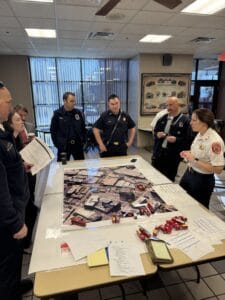
In an innovative twist, MDERS introduced maneuverable demonstrator pieces to mimic the dynamic crowd movements during these events. The incorporation of crowd movements, in conjunction with vehicle manipulatives, across a large map replicated a more realistic scenario for exercise participants to strategize and manage the incident.

After the exercise, MDERS distributed a short feedback survey, allowing participants to highlight strengths and identify areas for improvement in exercise facilitation. Additionally, participants provided feedback on the training and discussed potential future training opportunities. Based on the feedback received and the actions evaluated, MDERS will create an after-action report to assess the overall effectiveness of the exercise and inform future planning.

The success of this exercise underscores MDERS’s commitment to proactive preparedness and regional coordination. By training together in a structured, discussion-based environment, law enforcement agencies can refine their response strategies and enhance their ability to manage real-world public order incidents effectively.

Written by Elizabeth Adams

Adventist Healthcare Active Assailant Tabletop Exercises

In October and December of 2024, the Maryland-National Capital Region Emergency Response System (MDERS) facilitated two tabletop exercises (TTXs) at different Adventist HealthCare (AHC) facilities with stakeholders from AHC, the Montgomery County Fire and Rescue Services (MCFRS), and the Montgomery County Police Department (MCPD). Each exercise focused on the initial actions of staff at each respective Adventist HealthCare facility and first responders during a critical incident involving an active assailant. The exercises aimed to examine AHC policies and procedures and bolster their response capabilities. Across both exercises, 35 participants were selected by their respective agencies’ leadership based on their probability of responding to an active assailant event.

For these exercises, a workgroup was formed that was comprised of subject matter experts (SMEs) from AHC, MCFRS, MCPD, and MDERS. To test AHC’s response capabilities, participating agencies determined that a discussion-based TTX would be the best approach. MDERS’s approach to TTXs is a systematic, scalable, and economical approach for developing and enhancing critical capabilities that foster interdisciplinary and interjurisdictional collaboration and coordination. The workgroup utilized agency plans, policies, and procedures as well as their background knowledge and experience to develop a scenario that tested the participants’ ability to respond to an active assailant incident at each medical facility based upon agreed objectives. The objectives were developed based on the capabilities that AHC wanted to test, such as operational communications and operational coordination.

During the exercise’s development, a master scenario events list (MSEL) was created to supply realistic injects into the evolving threat. These were accompanied by expected actions from each agency to allow evaluators to review and examine the actions taken by participants. A list of discussion questions was also developed that targeted each objective.

The first exercise was held in October 2024 at AHC Shady Grove Medical Center (SGMC) and involved the Adventist HealthCare Rehabilitation Hospital, which is located in the SGMC complex. The second exercise was held in December 2024 at AHC White Oak Medical Center. Each exercise was scheduled for three hours, during which participants worked through the scenarios and discussed the actions and priorities of their agencies during the scenario.

After the conclusion of exercise play at each exercise, a hotwash was performed with all participants, evaluators, and observers. This forum allowed MDERS to capture immediate feedback related to the exercise and facilitate discussions related to agency actions. Lastly, an anonymous evaluation form was sent with additional questions that sought additional input about the design and execution of each TTX.

Each exercise allowed participants to have open conversations about critical issues such as the ability of the hospital to maintain operations during and after a critical incident, how internal notifications are structured and disseminated to staff, and how responding agencies would integrate their operations and form a unified command (UC). The After-Action Reports (AARs) that were developed for each exercise will provide guidance to AHC for the improvement of their policies and procedures.

MDERS remains committed to providing ongoing exercise support to our Montgomery and Prince George’s County healthcare stakeholders. These exercises are tailored to bolster response capabilities, fortify our communities’ resilience, and allow for improvement through the AAR process. Through these ongoing efforts, our goal is to ensure readiness and efficiency in handling emergencies while safeguarding the well-being of our residents.

Written by: Katie Dwyer