
The Maryland-National Capital Region Emergency Response System (MDERS), through its affiliation with Yale New Haven Health, recently implemented online First Receiver Operations Training (FROT) courses to assist local healthcare facilities maintain Occupational Safety and Health Administration (OSHA) requirements. MDERS is supporting first receiver awareness, safety, and annual review training at various hospitals in the National Capital Region, including Suburban, Holy Cross Health, University of Maryland Capital Region Health, Medstar Montgomery, Luminis Health Doctors Community Medical Center, and Adventist Health.
First receiver awareness level training is a 30-to-60-minute introductory course engaging participants in principles and procedures of decontamination, protection from specific chemical agents, respiratory protection, and personal safety issues. This training is required for healthcare personnel who work in the contaminant-free hospital post-decontamination area. Participants include emergency department clinicians, clerks, triage staff, and security staff members responsible for notifying hospital authorities of arrivals. An estimated 1,050 hospital-based first receivers will participate in the online training course to obtain contemporary awareness of mass decontamination operations.
The best practices for the protection of healthcare facility-based first receivers operations level training is an intermediate 8-hour online and instructor-led course providing healthcare personnel who have direct patient contact with lessons on decontamination topics. At the culmination of the course, participants acquired a comprehensive understanding of exposure to hazardous substances, hazard awareness, personal protective equipment (PPE), and special decontamination considerations. The practical session consisted of a demonstration of ambulatory and non-ambulatory decontamination during a mass casualty incident. A total of 1,125 healthcare workers will receive the training course to enhance the care of patients before and after thorough decontamination.
Ensuring the consistent training of hospital-based first receivers is reinforced by an annual 5-hour refresher for all hospital staff and healthcare personnel who completed the awareness and operations level courses. The online and instructor-led review will be provided to 1,125 participants who can be directly or incidentally exposed to a contaminated victim.
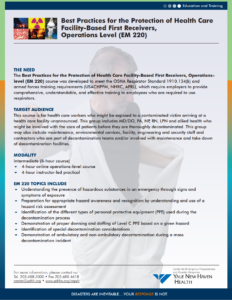 With the support of MDERS, hospital stakeholders have online access to the following courses:
- EM120: Best Practices for the Protection of Healthcare Facility-Based First Receivers, Awareness Level
- EM220: Best Practices for the Protection of Healthcare Facility-Based First Receivers, Operations Level
- EM220R: Best Practices for the Protection of Health Care Facility-Based First Receivers, Operations Level Refresher
Facilitating an online learning platform to a large and diverse staff audience in an accessible manner enhances emergency preparedness operations necessary to effectively respond to mass decontamination at various levels. While building on this effort, MDERS aims to expand the continuing education and training of healthcare personnel to uphold the quality of patient care.
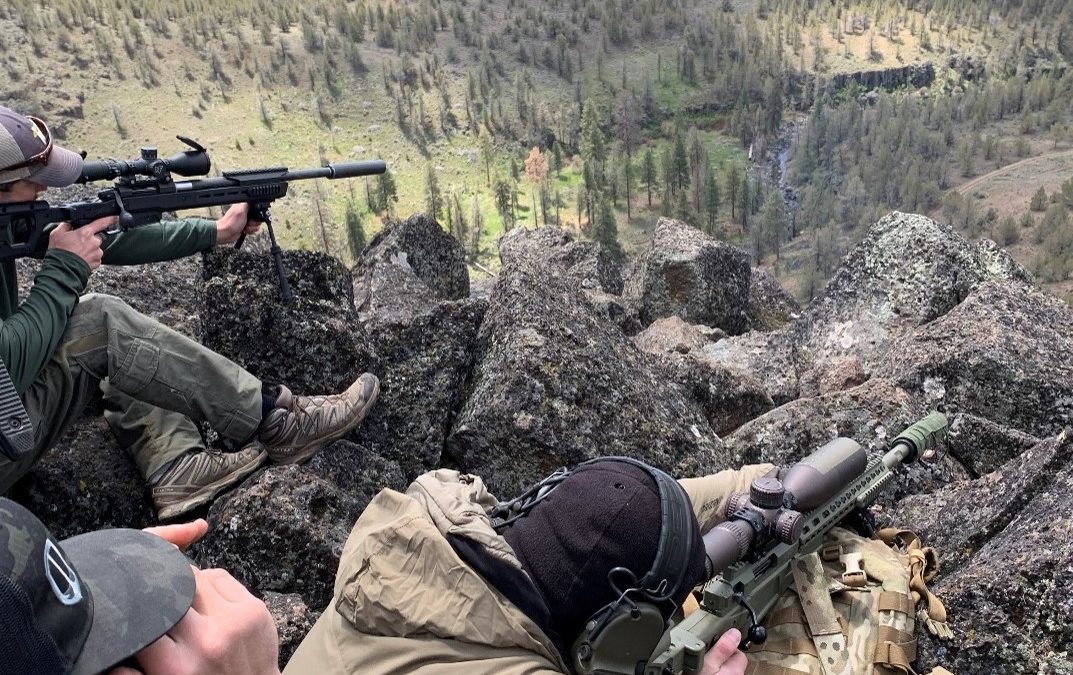
 The Montgomery County Police Department (MCPD) upholds a mission to equip, prepare, and bolster the response capabilities of their Sniper Response Team to provide enhanced public safety and security at national special security events, as well as respond to active-threat incidents in Montgomery County and the National Capital Region. The Sniper Response Team is additionally tasked with reinforcing the response activities of law enforcement officers, including conducting surveillance to share intelligence with responding agencies on the ground. To accomplish this mission, the MCPD Sniper Response Team requires specialized tools, tactics, and capabilities.
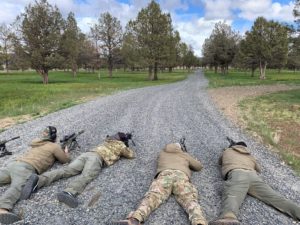 At the conclusion of the sniper training, participants provided the following feedback: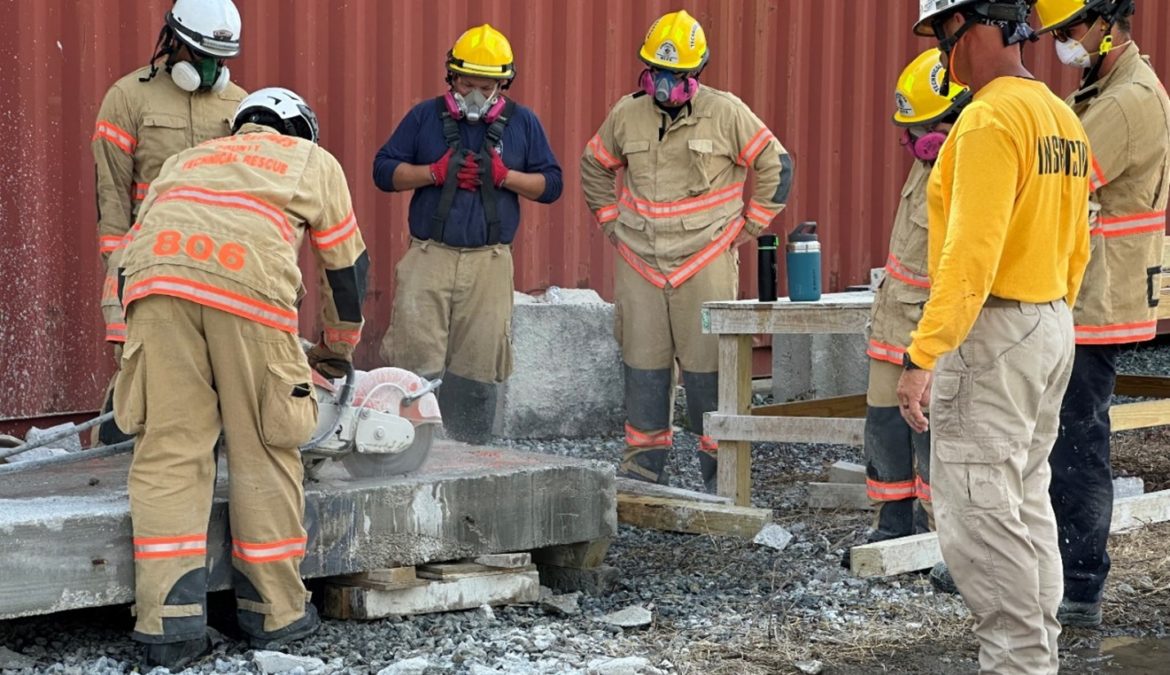
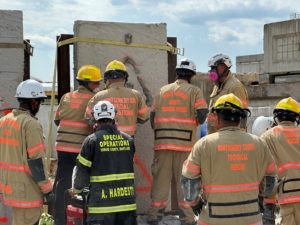 To support this priority, MDERS sponsored personnel from MCFRS and PGFD to participate in a structural collapse specialist course in September 2022. This course trains personnel on the critical duties and activities as outlined in their position task books and is a requirement for any individual participating in structural collapse response. This training program, hosted at the Montgomery County Public Safety Training Academy, began with eight hours of computer-based training (CBT), followed by 80 hours of hands-on training. The specialized techniques learned and practiced that are necessary to perform rescues at structural collapse incidents included:
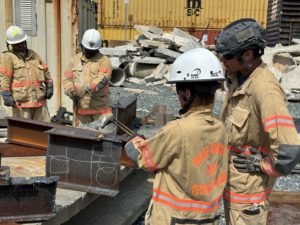 With the completion of this course, MCFRS and PGFD further increase their cadre of certified structural collapse specialists, ensuring each department’s ability to deploy a fully staffed response team of 13 individuals on scene of a collapse event within 40 minutes. Additionally, by jointly training across both departments, MCFRS and PGFD can deploy fully interoperable mutual aid within 90 minutes of a large collapse event.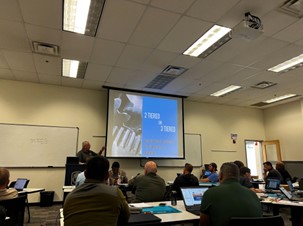
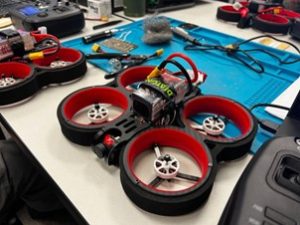 The Understanding UAS Maintenance course engaged students in classroom discussion and hands-on instruction to develop the knowledge, skills, and abilities to implement in-house maintenance programs for UAS vehicles. Students attending the course gained a functional understanding of the component parts and software programming used to operate unmanned aircrafts, as well as soldering techniques to repair wire and electronic components on tactical and training aircraft. Upon completion of the course, Maryland-National Capital Region stakeholders enhanced their understanding of diagnosing and troubleshooting maintenance issues associated with sUAS. Students can further apply this knowledge as public safety agencies in both Prince George’s and Montgomery Counties continue to develop their internal maintenance policies and procedures.
 To better meet the needs of its stakeholders, MDERS developed an EHP checklist for the PATC program. This checklist not only provided all the necessary information to FEMA, but also served as a resource to stakeholders to refer back to for the ultimate installation of the PATC cabinets.

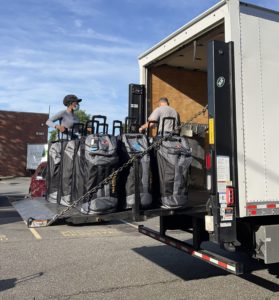 MDERS partnered with MCPS to configure the training kits to best meet the needs of Montgomery County high schools. To ensure students are prepared to deploy a PATC kit in a real-world situation, each training kit contains a variety of equipment mirroring the supplies an individual may find in the PATC kits installed throughout MCPS. Each high school received three training kits comprised of the following supplies: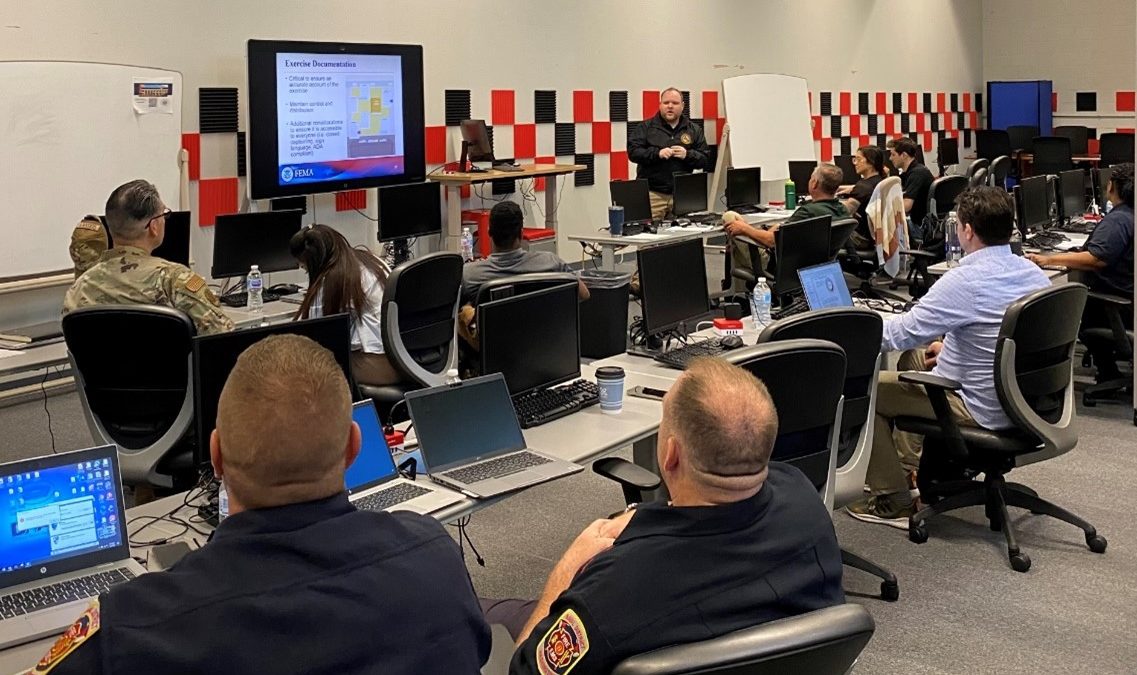
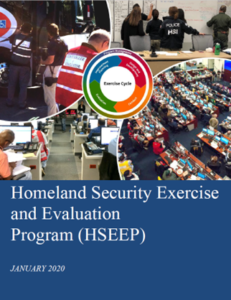 Originally published in 2002 by the Federal Emergency Management Agency (FEMA), HSEEP establishes guidelines for the development and implementation of effective exercise programs. HSEEP outlines key guidelines in five components of the exercise cycle: program management, design and development, conduct, evaluation, and improvement planning. These guidelines ensure a consistent methodology across jurisdictions and agencies, while remaining adaptable to individual organizations’ needs. In 2020, FEMA released an update to HSEEP, reflecting feedback solicited from the exercise community. Key changes to the 2020 HSEEP updates include: increased inclusivity of the whole community, additional tools and training resources for exercise design, application of “SMART” methodology to improvement planning, and the implementation of an Integrated Preparedness Plan (IPP) to replace the Multi-Year Training and Exercise Plan (MyTEP).*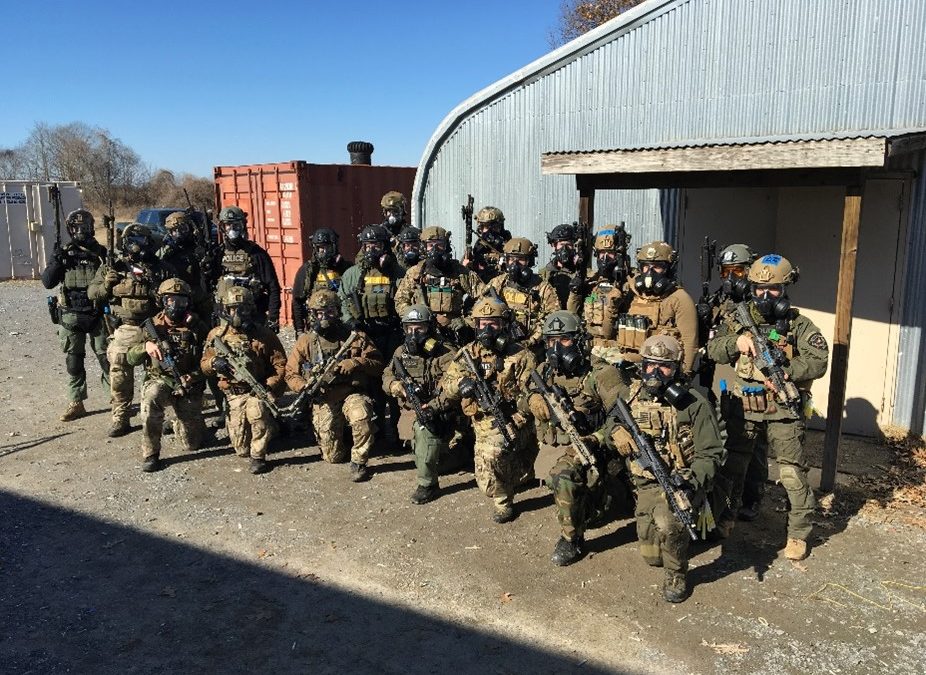
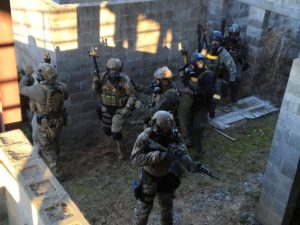 DARC offers curriculum designed to build in complexity as students progress into more advanced tactics. DARC requires all students to complete two pre-requisite courses prior to enrolling in more advanced offerings. These pre-requisites are identified and summarized below.
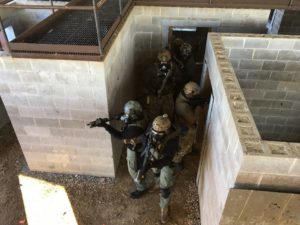 After completing the LECTC-1 and LECTC-2 prerequisites, students may enroll in specialized response areas, such as advanced operational breaching, advanced sniper integration, and tactical night vision instruction. These courses provide operators with the knowledge and tools required to lead a breaching team, integrate a sniper and observer team in tactical operations, deploy during large venue counter-terrorism operations, and conduct operations using night-vision capabilities. The specific courses attended by PGPD since 2014 are identified and summarized below.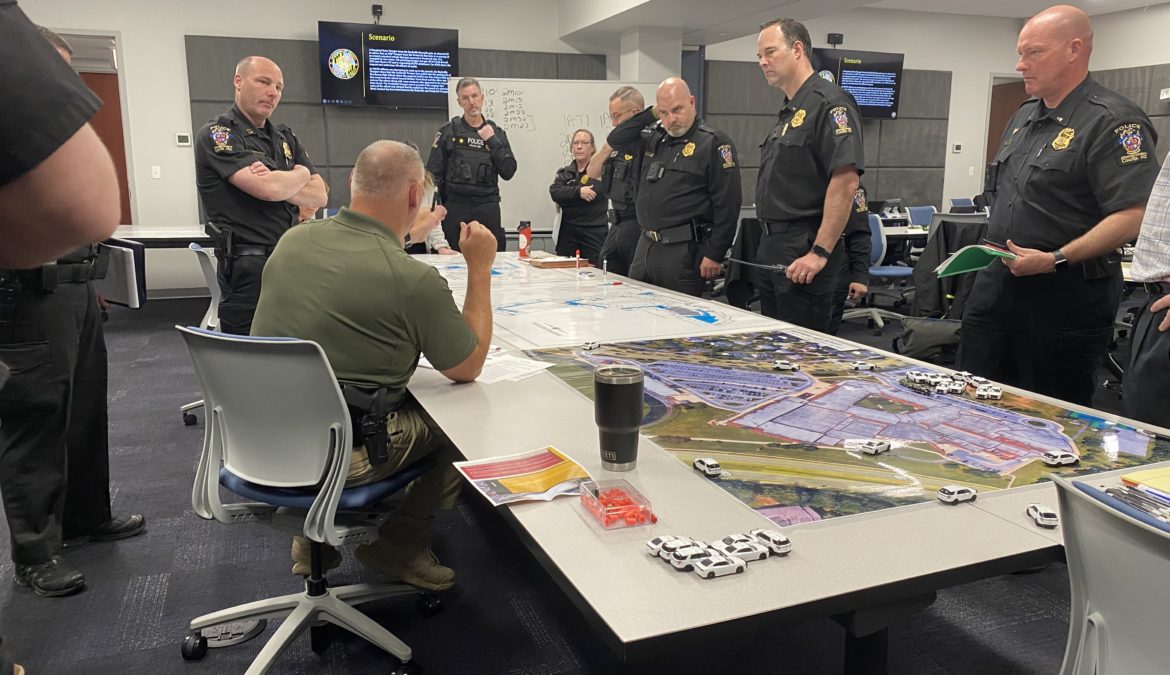
 Between February and April 2022, MCPD planned and conducted four tabletop exercises for MCPD executive staff with support from the Maryland-National Capital Region Emergency Response System (MDERS). These exercises assessed MCPD executive staff’s ability to manage the first 30-60 minutes of a major incident, including phases one and two of their response process, while reinforcing participants knowledge and understanding of MCPD directives, policies, and procedures.